




Expo
view channel
view channel
view channel
view channel
view channel
view channel
view channel
view channel
view channel
Clinical Chem.
HematologyImmunologyMicrobiologyPathologyTechnologyIndustry
Events
Webinars

- Simple Oral Swab Monitors Persistent Inflammation in Primary Ciliary Dyskinesia
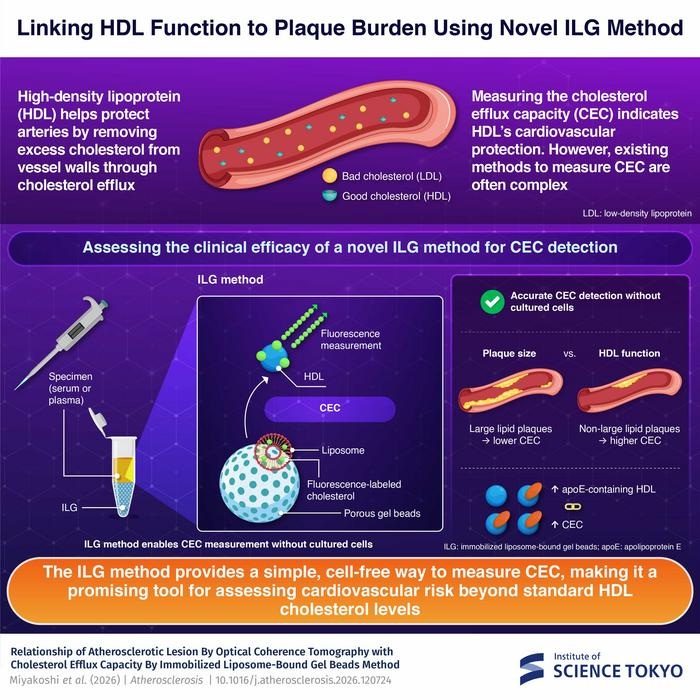
- Simple Blood-Based Cholesterol Efflux Assay Identifies High-Risk Coronary Plaque Features
- Plasma Vitamin C Levels Associated with Brain Structure and Connectivity in Aging
- Mass Spectrometry Detects Tumor Metabolites for Cancer Monitoring
- Urinary Biomarker Assay Predicts Kidney Disease Progression Beyond Standard Measures
- New Blood Test Predicts Organ-Specific Disease and Mortality Years in Advance
- Genomic Assay Predicts Recurrence Risk in Noninvasive Breast Cancer
- Long-Read DNA Test Improves Diagnosis of Rare Genetic Diseases
- At-Home Urine Collection Kit Enables High-Throughput STI Screening
- Noninvasive Sequencing Test Approaches Invasive Genome Sequencing for Prenatal Screening
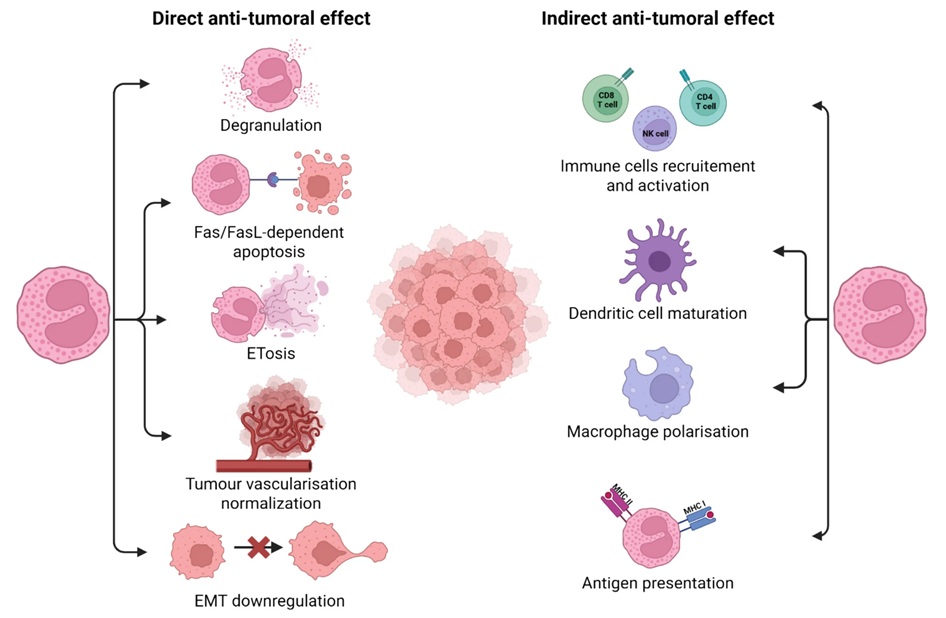
- Blood Eosinophil Count May Predict Cancer Immunotherapy Response and Toxicity
- Higher Ferritin Threshold May Improve Iron Deficiency Detection in Children
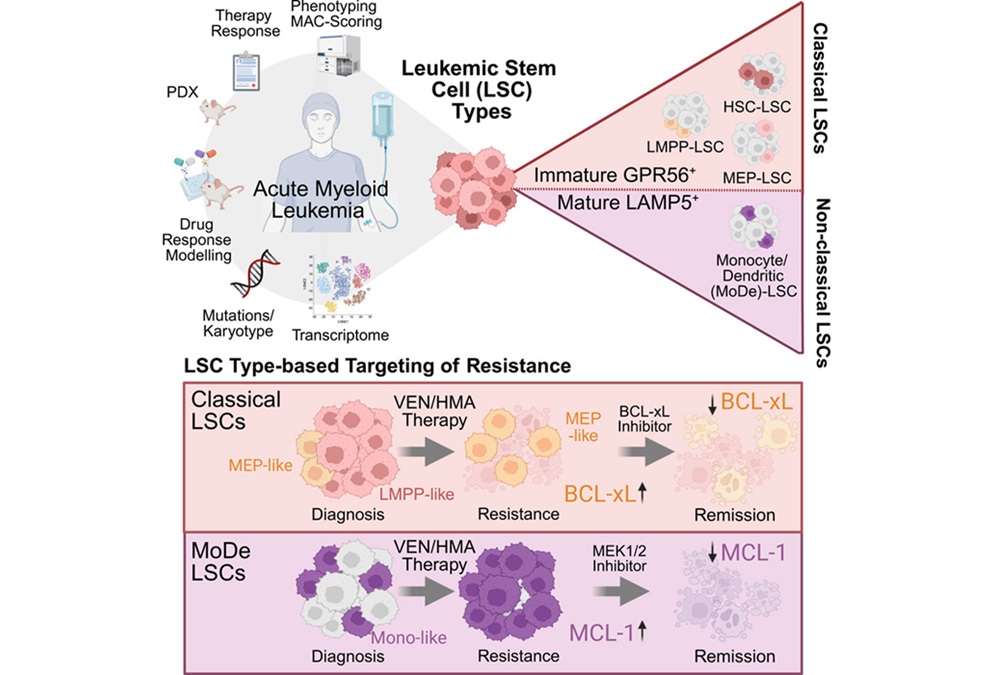
- Stem Cell Biomarkers May Guide Precision Treatment in Acute Myeloid Leukemia
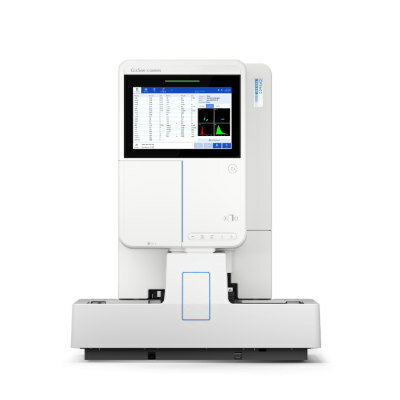
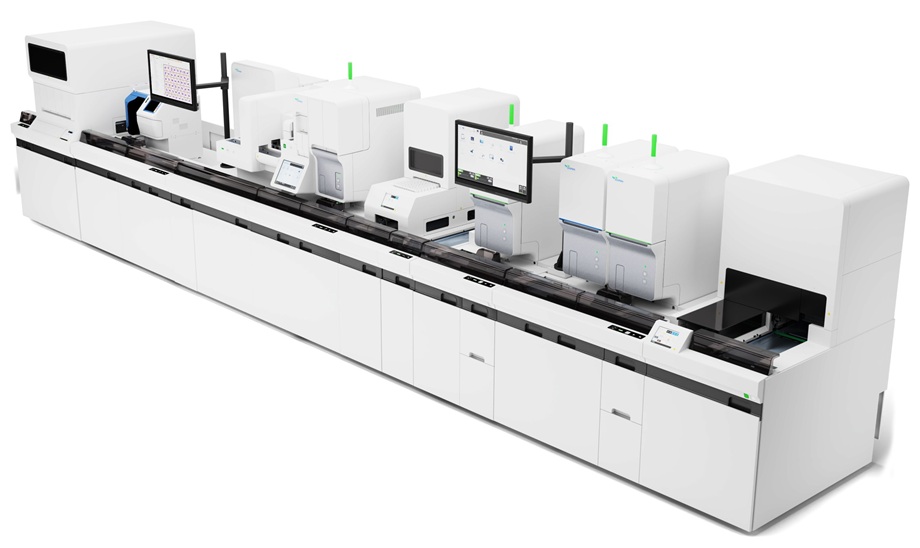
- Advanced CBC-Derived Indices Integrated into Hematology Platforms
- Blood Test Enables Early Detection of Multiple Myeloma Relapse
- Aptamer-Based Biosensor Enables Mutation-Resilient SARS-CoV-2 Detection
- Study Points to Autoimmune Pathway Behind Long COVID Symptoms
- Metabolic Biomarker Distinguishes Latent from Active Tuberculosis and Tracks Treatment Response
- Immune Enzyme Linked to Treatment-Resistant Inflammatory Bowel Disease
- Simple Blood Test Could Replace Biopsies for Lung Transplant Rejection Monitoring
- Rapid Molecular Screening Aims to Accelerate Hospital Infection Control for CPE
- New Protein Targets Support Diagnostics for Louse-Borne Relapsing Fever
- TORCH Infection Trends Point to Need for Tailored Screening in Pregnancy
- New Culture Medium Speeds C. difficile Resistance Detection and Reduces Costs
- Automated Blood Culture System Speeds Detection of Bloodstream Infections
- Agentic AI Platform Supports Genomic Decision-Making in Oncology
- Mailed Screening Kits Help Reduce Colorectal Cancer Screening Gaps
- Algorithm Panel Aids Liver Fibrosis Assessment and Liver Cancer Surveillance
- AI-Enabled Assistant Unifies Molecular Workflow Planning and Support
- AI Tool Automates Validation of Laboratory Software Configuration Changes
- Open-Source Consortium Aims to Standardize Digital Pathology Workflows
- Genetic Testing Program Expands Detection of Alpha-1 Antitrypsin Deficiency
- Collaboration Advances ctDNA-Guided Development in Metastatic Colorectal Cancer
- Diazyme Laboratories Acquires Carolina Liquid Chemistries
- Partnership Expands Access to Alzheimer’s Blood Tests in Latin America and Caribbean
- Lung Cancer Study Reveals Cellular Program Behind Therapy Resistance
- Tumor Genome Marker May Predict Treatment Benefit in Pediatric Cancers
- Lysosomal Gene Defect Linked to Severe Childhood Brain Disorders
- Genetic Testing Identifies Greater Inherited Sudden Cardiac Arrest Risk in Younger Individuals
- Hidden 'Jumping Gene' Variant Linked to Higher Pancreatic Cancer Risk
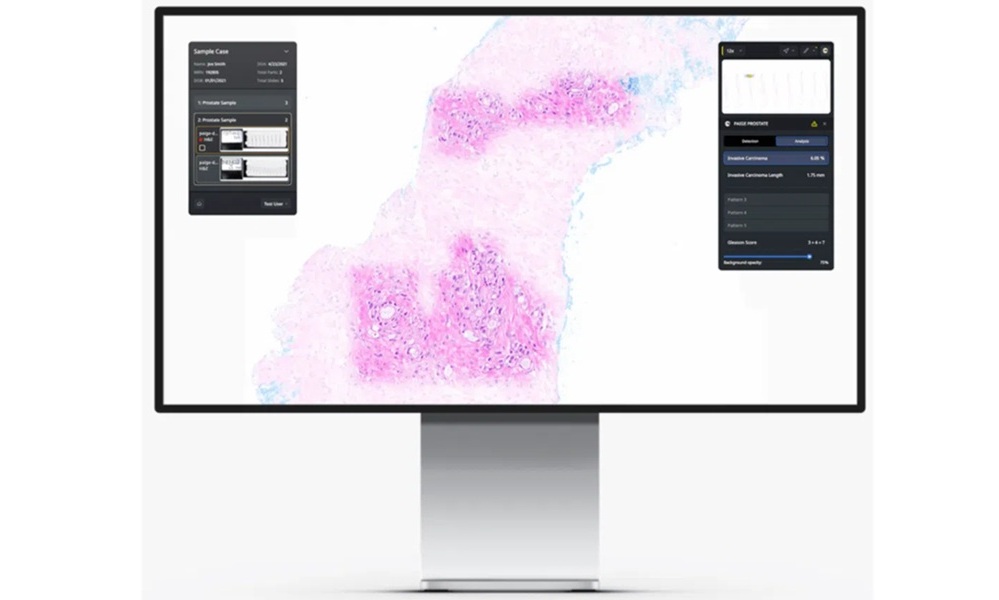
- New Companion Diagnostic Expands Precision Medicine in Prostate Cancer
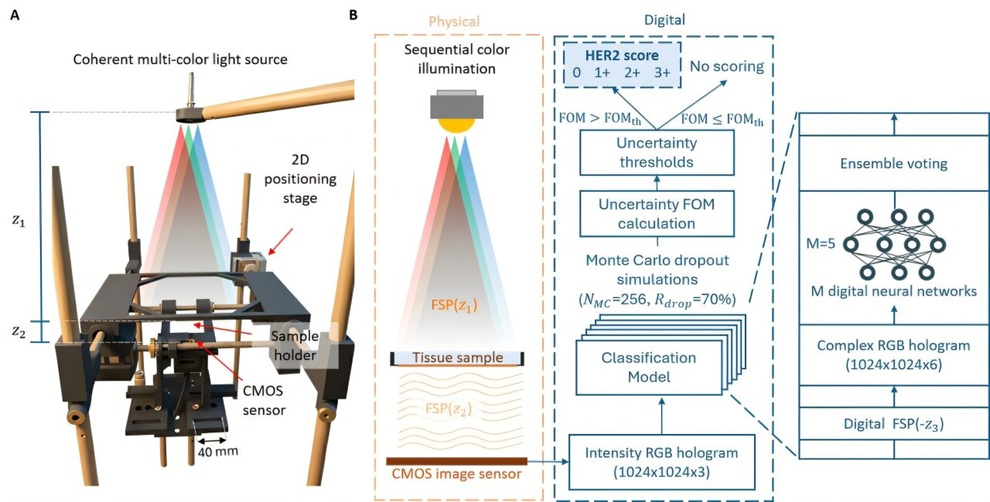
- Uncertainty-Aware AI Platform Supports Automated HER2 Assessment in Breast Cancer
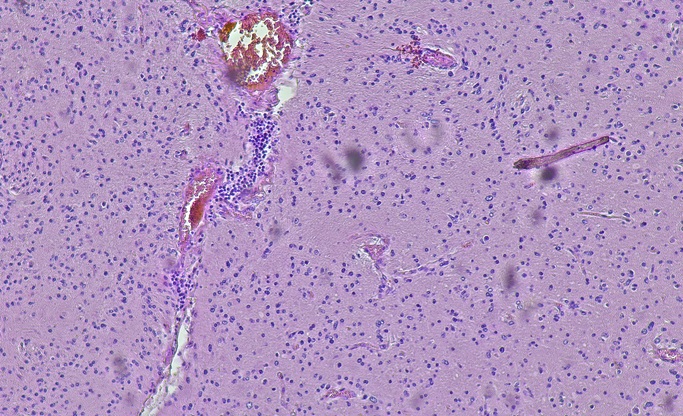
- AI Tool Speeds Brain Tumor Classification from Routine Histology Slides
- IHC Companion Diagnostic Standardizes Mismatch Repair Testing for Cancer Immunotherapy
- AI Pathology Tool Predicts Meningioma Recurrence from Routine Slides
 Expo
Expo
- Simple Oral Swab Monitors Persistent Inflammation in Primary Ciliary Dyskinesia
- Simple Blood-Based Cholesterol Efflux Assay Identifies High-Risk Coronary Plaque Features
- Plasma Vitamin C Levels Associated with Brain Structure and Connectivity in Aging
- Mass Spectrometry Detects Tumor Metabolites for Cancer Monitoring
- Urinary Biomarker Assay Predicts Kidney Disease Progression Beyond Standard Measures
- New Blood Test Predicts Organ-Specific Disease and Mortality Years in Advance
- Genomic Assay Predicts Recurrence Risk in Noninvasive Breast Cancer
- Long-Read DNA Test Improves Diagnosis of Rare Genetic Diseases
- At-Home Urine Collection Kit Enables High-Throughput STI Screening
- Noninvasive Sequencing Test Approaches Invasive Genome Sequencing for Prenatal Screening
- Blood Eosinophil Count May Predict Cancer Immunotherapy Response and Toxicity
- Higher Ferritin Threshold May Improve Iron Deficiency Detection in Children
- Stem Cell Biomarkers May Guide Precision Treatment in Acute Myeloid Leukemia
- Advanced CBC-Derived Indices Integrated into Hematology Platforms
- Blood Test Enables Early Detection of Multiple Myeloma Relapse
- Aptamer-Based Biosensor Enables Mutation-Resilient SARS-CoV-2 Detection
- Study Points to Autoimmune Pathway Behind Long COVID Symptoms
- Metabolic Biomarker Distinguishes Latent from Active Tuberculosis and Tracks Treatment Response
- Immune Enzyme Linked to Treatment-Resistant Inflammatory Bowel Disease
- Simple Blood Test Could Replace Biopsies for Lung Transplant Rejection Monitoring
- Rapid Molecular Screening Aims to Accelerate Hospital Infection Control for CPE
- New Protein Targets Support Diagnostics for Louse-Borne Relapsing Fever
- TORCH Infection Trends Point to Need for Tailored Screening in Pregnancy
- New Culture Medium Speeds C. difficile Resistance Detection and Reduces Costs
- Automated Blood Culture System Speeds Detection of Bloodstream Infections
- Agentic AI Platform Supports Genomic Decision-Making in Oncology
- Mailed Screening Kits Help Reduce Colorectal Cancer Screening Gaps
- Algorithm Panel Aids Liver Fibrosis Assessment and Liver Cancer Surveillance
- AI-Enabled Assistant Unifies Molecular Workflow Planning and Support
- AI Tool Automates Validation of Laboratory Software Configuration Changes
- Open-Source Consortium Aims to Standardize Digital Pathology Workflows
- Genetic Testing Program Expands Detection of Alpha-1 Antitrypsin Deficiency
- Collaboration Advances ctDNA-Guided Development in Metastatic Colorectal Cancer
- Diazyme Laboratories Acquires Carolina Liquid Chemistries
- Partnership Expands Access to Alzheimer’s Blood Tests in Latin America and Caribbean
- Lung Cancer Study Reveals Cellular Program Behind Therapy Resistance
- Tumor Genome Marker May Predict Treatment Benefit in Pediatric Cancers
- Lysosomal Gene Defect Linked to Severe Childhood Brain Disorders
- Genetic Testing Identifies Greater Inherited Sudden Cardiac Arrest Risk in Younger Individuals
- Hidden 'Jumping Gene' Variant Linked to Higher Pancreatic Cancer Risk
- New Companion Diagnostic Expands Precision Medicine in Prostate Cancer
- Uncertainty-Aware AI Platform Supports Automated HER2 Assessment in Breast Cancer
- AI Tool Speeds Brain Tumor Classification from Routine Histology Slides
- IHC Companion Diagnostic Standardizes Mismatch Repair Testing for Cancer Immunotherapy
- AI Pathology Tool Predicts Meningioma Recurrence from Routine Slides




































 Client Login