




Expo
view channel
view channel
view channel
view channel
view channel
view channel
view channel
view channel
view channel
Clinical Chem.Molecular DiagnosticsHematologyImmunologyMicrobiologyPathologyTechnologyIndustry
Events
Webinars

- Blood Test Measures Amyloid Seeding Activity to Detect Alzheimer’s Disease
- Blood Test Markers Could Help Identify Older Adults at Risk of Disability
- FDA Clears Roche Blood Test for Alzheimer’s Amyloid Pathology Assessment
- Rapid Ferritin Test Enables Iron Deficiency Detection at the Point of Care
- Alzheimer’s Blood Test Becomes First FDA-Cleared Option for Adults as Young as 40
- Whole-Blood RNA Test Could Improve Breast Cancer Screening in Dense Breasts
- Genetic Risk Score Identifies Type 1 Diabetes in MODY Testing
- Self-Collected HPV Testing Reaches Patients Missed by Routine Screening
- Comprehensive Genomic Testing Expands Treatment Options for Advanced Cancers
- Multi-Omics Analysis Identifies Additional Risk Genes in Hereditary Breast and Ovarian Cancer
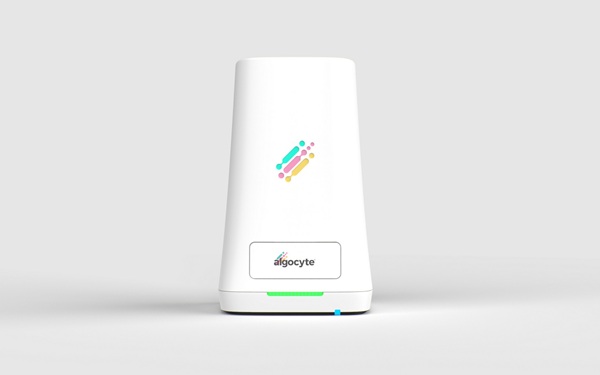
- Ultra-Portable Device Enables Finger-Prick Blood Testing at Home
- Age-Specific CBC Reference Intervals Support Pediatric Diagnosis in Vietnam
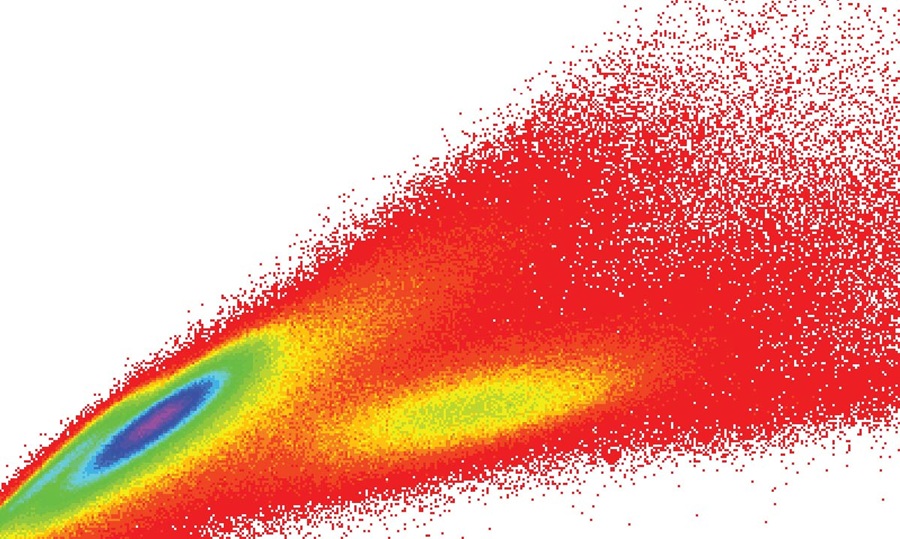
- Spectral Flow Cytometry Assay Enhances MRD Detection in Multiple Myeloma
- New Marker Helps Detect Aggressive Multiple Myeloma Earlier
- New Biomarkers Predict Resistance to Targeted Therapy in Rare Blood Cancer
- Immune Biomarkers May Predict Recurrent Checkpoint Inhibitor Arthritis
- Immune Cell Blood Test May Predict Melanoma Immunotherapy Response
- Study Reveals Viral Protein Driving COVID-19-Related Vascular Injury
- Study Reveals Immune Mechanism Driving Severe COVID-19 Progression
- Antibody Profiling Identifies Preclinical Inflammatory Bowel Disease Years Before Diagnosis
- Surveillance and Susceptibility Testing Track Rising Candida Auris in U.S.
- Plasma Cell-Free DNA Test Enables Earlier Diagnosis of Invasive Fungal Infections
- FDA Clears One-Hour Panel for Bloodstream Infection and AMR Detection
- Precision Screening Helps Close Hepatitis C Diagnosis and Treatment Gaps
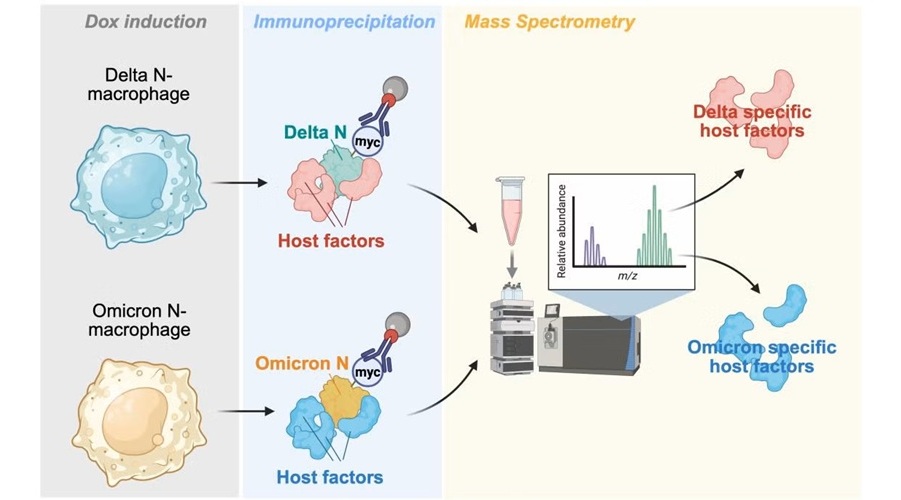
- Proteomic Workflow Maps Microbial and Host Responses in Intestinal Inflammation
- Interoperable Data Platform Standardizes Multi-Cancer Blood Test Results
- Training Device Improves Accuracy of Pooled Molecular Diagnostics
- New CE-Certified Software Advances Whole-Genome Cancer Testing
- National Rare Disease Registry Standardizes Genetic and Clinical Data for Coordinated Care
- AI Platform Links Biomarker Results to Cancer Clinical Trials and Guidelines
- New Collaboration Expands Point-of-Care Testing Across UK Community Pharmacies
- New Collaboration Advances Precision Oncology Screening for Lung Cancer in Japan
- AI-Powered Pathology Collaboration Supports Companion Diagnostic Development
- Strategic Collaboration Expands Commercial Access to Oncology Companion Diagnostics
- Collaboration Supports Global ADC Development with AI-Powered Tissue Analysis
- Age-Related Genomic Differences Could Refine Treatment Decisions in Lung Cancer
- Molecular Pathway Reveals Driver of Triple-Negative Breast Cancer Spread
- D-Serine May Predict Immune Checkpoint Therapy Resistance in Gastric Cancer
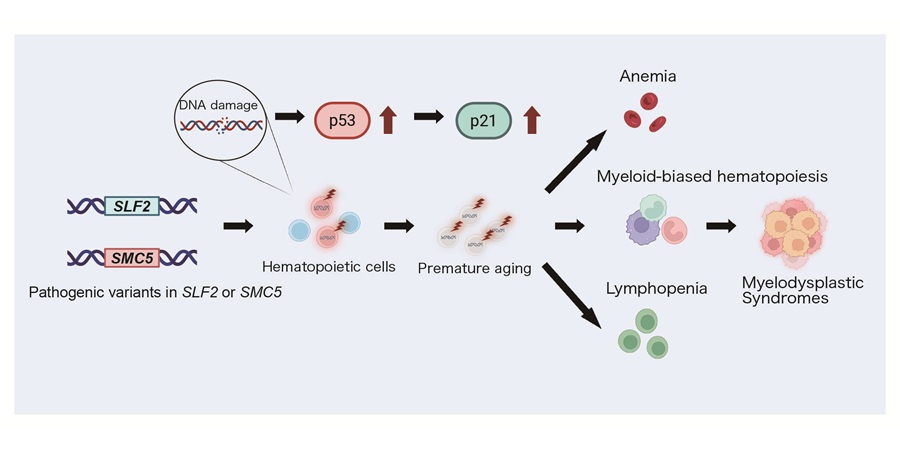
- New Genetic Cause Identified for Neurodevelopmental Disorder
- New Genetic Discovery Could Support Precision Diabetes Care
- New Review Highlights Intelligent Agents as Next Step for Digital Pathology
- Simple Immunohistochemical Size Ratio Improves Classification of Primary Aldosteronism
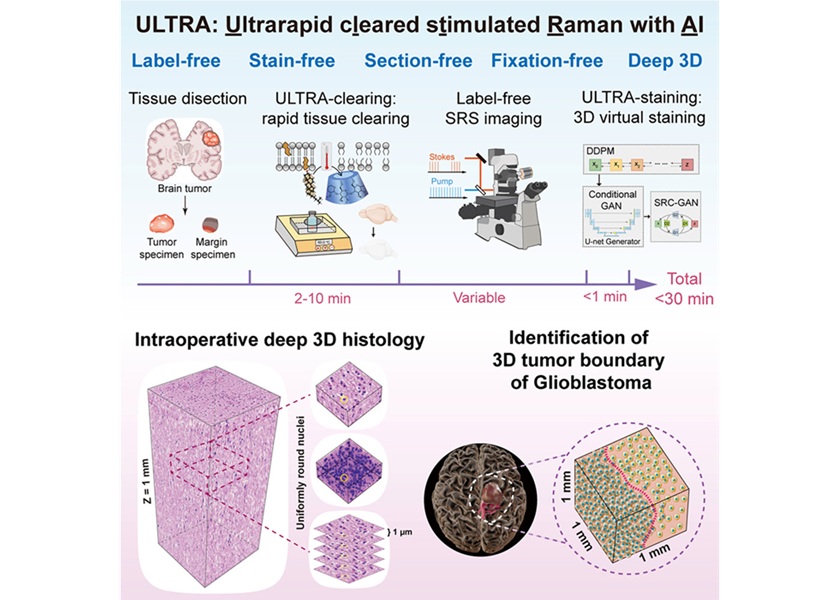
- 30-Minute 3D Histology Tool Supports Intraoperative Glioma Margin Assessment
- AI Links Organ-Specific Aging Patterns in Histology to Blood-Based Signals
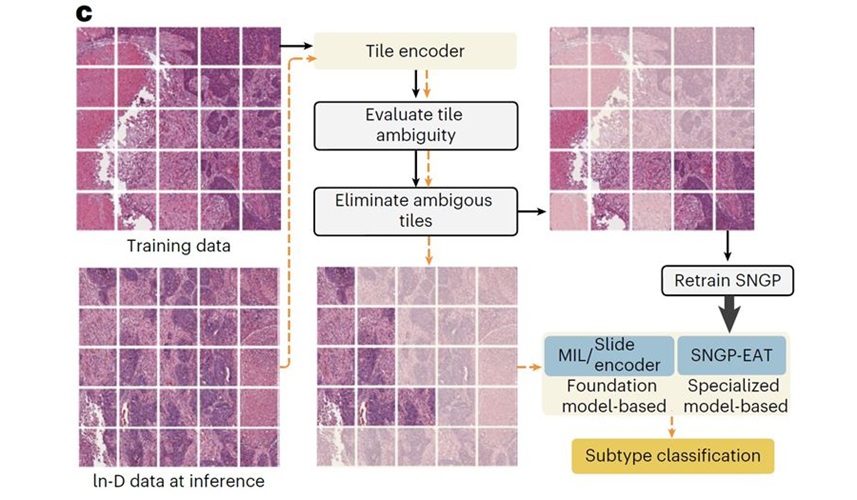
- AI Uses H&E Slides to Predict Key Biomarkers Across 32 Cancers
 Expo
Expo
- Blood Test Measures Amyloid Seeding Activity to Detect Alzheimer’s Disease
- Blood Test Markers Could Help Identify Older Adults at Risk of Disability
- FDA Clears Roche Blood Test for Alzheimer’s Amyloid Pathology Assessment
- Rapid Ferritin Test Enables Iron Deficiency Detection at the Point of Care
- Alzheimer’s Blood Test Becomes First FDA-Cleared Option for Adults as Young as 40
- Whole-Blood RNA Test Could Improve Breast Cancer Screening in Dense Breasts
- Genetic Risk Score Identifies Type 1 Diabetes in MODY Testing
- Self-Collected HPV Testing Reaches Patients Missed by Routine Screening
- Comprehensive Genomic Testing Expands Treatment Options for Advanced Cancers
- Multi-Omics Analysis Identifies Additional Risk Genes in Hereditary Breast and Ovarian Cancer
- Ultra-Portable Device Enables Finger-Prick Blood Testing at Home
- Age-Specific CBC Reference Intervals Support Pediatric Diagnosis in Vietnam
- Spectral Flow Cytometry Assay Enhances MRD Detection in Multiple Myeloma
- New Marker Helps Detect Aggressive Multiple Myeloma Earlier
- New Biomarkers Predict Resistance to Targeted Therapy in Rare Blood Cancer
- Immune Biomarkers May Predict Recurrent Checkpoint Inhibitor Arthritis
- Immune Cell Blood Test May Predict Melanoma Immunotherapy Response
- Study Reveals Viral Protein Driving COVID-19-Related Vascular Injury
- Study Reveals Immune Mechanism Driving Severe COVID-19 Progression
- Antibody Profiling Identifies Preclinical Inflammatory Bowel Disease Years Before Diagnosis
- Surveillance and Susceptibility Testing Track Rising Candida Auris in U.S.
- Plasma Cell-Free DNA Test Enables Earlier Diagnosis of Invasive Fungal Infections
- FDA Clears One-Hour Panel for Bloodstream Infection and AMR Detection
- Precision Screening Helps Close Hepatitis C Diagnosis and Treatment Gaps
- Proteomic Workflow Maps Microbial and Host Responses in Intestinal Inflammation
- Interoperable Data Platform Standardizes Multi-Cancer Blood Test Results
- Training Device Improves Accuracy of Pooled Molecular Diagnostics
- New CE-Certified Software Advances Whole-Genome Cancer Testing
- National Rare Disease Registry Standardizes Genetic and Clinical Data for Coordinated Care
- AI Platform Links Biomarker Results to Cancer Clinical Trials and Guidelines
- New Collaboration Expands Point-of-Care Testing Across UK Community Pharmacies
- New Collaboration Advances Precision Oncology Screening for Lung Cancer in Japan
- AI-Powered Pathology Collaboration Supports Companion Diagnostic Development
- Strategic Collaboration Expands Commercial Access to Oncology Companion Diagnostics
- Collaboration Supports Global ADC Development with AI-Powered Tissue Analysis
- Age-Related Genomic Differences Could Refine Treatment Decisions in Lung Cancer
- Molecular Pathway Reveals Driver of Triple-Negative Breast Cancer Spread
- D-Serine May Predict Immune Checkpoint Therapy Resistance in Gastric Cancer
- New Genetic Cause Identified for Neurodevelopmental Disorder
- New Genetic Discovery Could Support Precision Diabetes Care
- New Review Highlights Intelligent Agents as Next Step for Digital Pathology
- Simple Immunohistochemical Size Ratio Improves Classification of Primary Aldosteronism
- 30-Minute 3D Histology Tool Supports Intraoperative Glioma Margin Assessment
- AI Links Organ-Specific Aging Patterns in Histology to Blood-Based Signals
- AI Uses H&E Slides to Predict Key Biomarkers Across 32 Cancers





























 Client Login