





Expo
view channel
view channel
view channel
view channel
view channel
view channel
view channel
view channel
view channel
Clinical Chem.
HematologyImmunologyMicrobiologyPathologyTechnologyIndustry
Events
Webinars

- Maternal Blood Biomarkers Identify Risk of Preterm and Early-Term Birth
- Blood-Based Alzheimer’s Testing Platform Offers Rapid Results
- Simple Oral Swab Monitors Persistent Inflammation in Primary Ciliary Dyskinesia
- Simple Blood-Based Cholesterol Efflux Assay Identifies High-Risk Coronary Plaque Features
- Plasma Vitamin C Levels Associated with Brain Structure and Connectivity in Aging
- AI Reasoning Model Generates Diagnostic Leads for Unresolved Rare Disease Cases
- Point-of-Care Molecular Test Detects Group A Strep in Minutes
- Genetic Testing and Surveillance Cuts Costs and Improves Survival in Li-Fraumeni Syndrome
- Spatial Map Guides Treatment Selection in Muscle-Invasive Bladder Cancer
- Genomic Study Identifies Risk Regions for Intrahepatic Cholestasis of Pregnancy
- Blood Eosinophil Count May Predict Cancer Immunotherapy Response and Toxicity
- Higher Ferritin Threshold May Improve Iron Deficiency Detection in Children
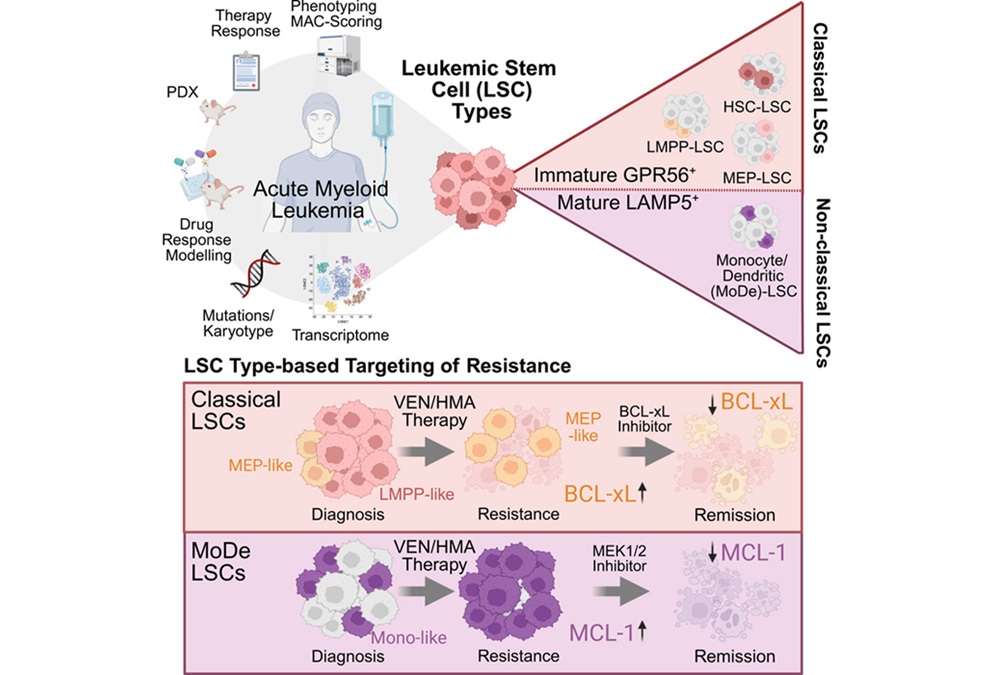
- Stem Cell Biomarkers May Guide Precision Treatment in Acute Myeloid Leukemia
- Advanced CBC-Derived Indices Integrated into Hematology Platforms
- Blood Test Enables Early Detection of Multiple Myeloma Relapse
- Antibody Profiles Provide Clues to Long COVID Severity and Symptoms
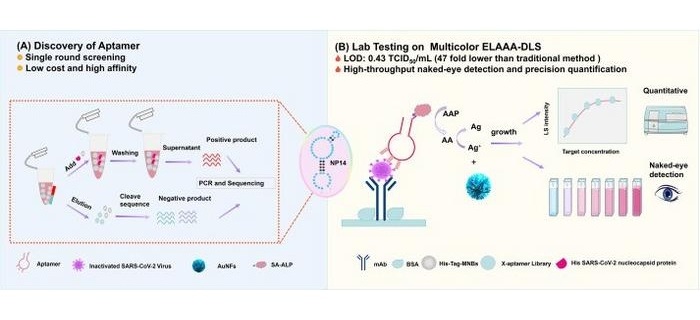
- Aptamer-Based Biosensor Enables Mutation-Resilient SARS-CoV-2 Detection
- Study Points to Autoimmune Pathway Behind Long COVID Symptoms
- Metabolic Biomarker Distinguishes Latent from Active Tuberculosis and Tracks Treatment Response
- Immune Enzyme Linked to Treatment-Resistant Inflammatory Bowel Disease
- Stronger Laboratory Services Support Timely Melioidosis Diagnosis Amid Global Spread
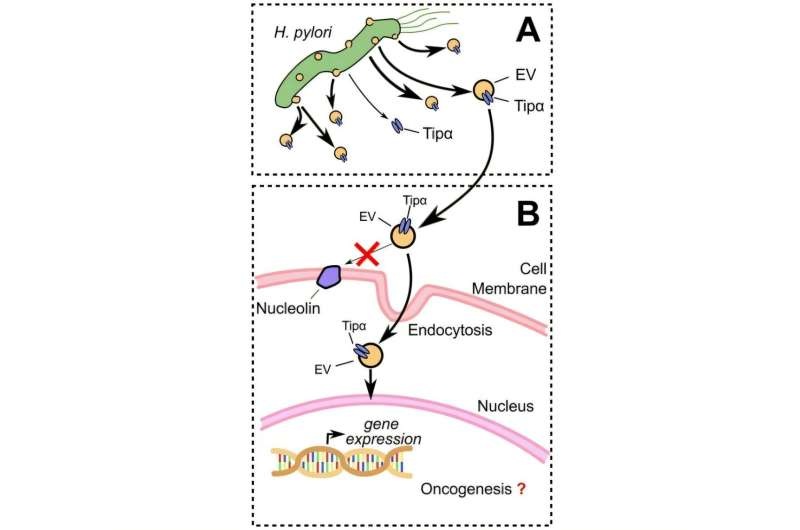
- Extracellular Vesicle Biomarker May Enable Noninvasive Monitoring of H. pylori
- Rapid Molecular Screening Aims to Accelerate Hospital Infection Control for CPE
- New Protein Targets Support Diagnostics for Louse-Borne Relapsing Fever
- TORCH Infection Trends Point to Need for Tailored Screening in Pregnancy
- Agentic AI Platform Supports Genomic Decision-Making in Oncology
- Mailed Screening Kits Help Reduce Colorectal Cancer Screening Gaps
- Algorithm Panel Aids Liver Fibrosis Assessment and Liver Cancer Surveillance
- AI-Enabled Assistant Unifies Molecular Workflow Planning and Support
- AI Tool Automates Validation of Laboratory Software Configuration Changes
- Partnership Expands Ultrasensitive Blood-Based Diagnostics for Hematologic Malignancies
- Open-Source Consortium Aims to Standardize Digital Pathology Workflows
- Genetic Testing Program Expands Detection of Alpha-1 Antitrypsin Deficiency
- Collaboration Advances ctDNA-Guided Development in Metastatic Colorectal Cancer
- Diazyme Laboratories Acquires Carolina Liquid Chemistries
- New Findings Clarify Molecular Drivers of Rare Small Intestinal Cancer
- Lung Cancer Study Reveals Cellular Program Behind Therapy Resistance
- Tumor Genome Marker May Predict Treatment Benefit in Pediatric Cancers
- Lysosomal Gene Defect Linked to Severe Childhood Brain Disorders
- Genetic Testing Identifies Greater Inherited Sudden Cardiac Arrest Risk in Younger Individuals
- New Companion Diagnostic Expands Precision Medicine in Prostate Cancer
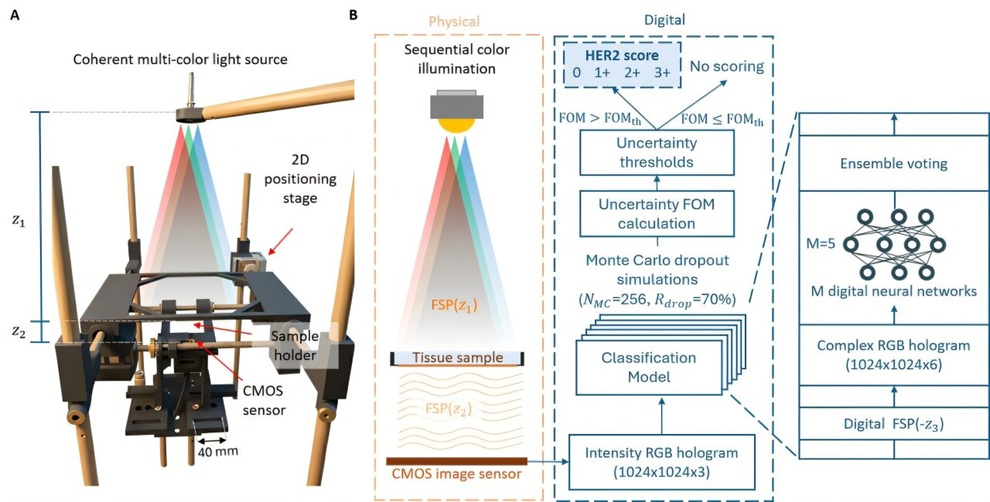
- Uncertainty-Aware AI Platform Supports Automated HER2 Assessment in Breast Cancer
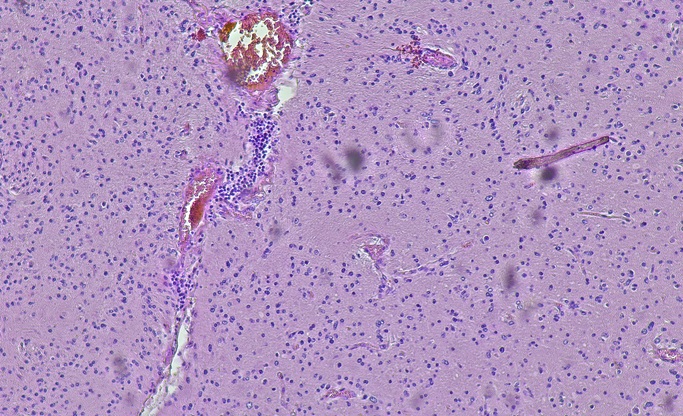
- AI Tool Speeds Brain Tumor Classification from Routine Histology Slides
- IHC Companion Diagnostic Standardizes Mismatch Repair Testing for Cancer Immunotherapy
- AI Pathology Tool Predicts Meningioma Recurrence from Routine Slides
 Expo
Expo
- Maternal Blood Biomarkers Identify Risk of Preterm and Early-Term Birth
- Blood-Based Alzheimer’s Testing Platform Offers Rapid Results
- Simple Oral Swab Monitors Persistent Inflammation in Primary Ciliary Dyskinesia
- Simple Blood-Based Cholesterol Efflux Assay Identifies High-Risk Coronary Plaque Features
- Plasma Vitamin C Levels Associated with Brain Structure and Connectivity in Aging
- AI Reasoning Model Generates Diagnostic Leads for Unresolved Rare Disease Cases
- Point-of-Care Molecular Test Detects Group A Strep in Minutes
- Genetic Testing and Surveillance Cuts Costs and Improves Survival in Li-Fraumeni Syndrome
- Spatial Map Guides Treatment Selection in Muscle-Invasive Bladder Cancer
- Genomic Study Identifies Risk Regions for Intrahepatic Cholestasis of Pregnancy
- Blood Eosinophil Count May Predict Cancer Immunotherapy Response and Toxicity
- Higher Ferritin Threshold May Improve Iron Deficiency Detection in Children
- Stem Cell Biomarkers May Guide Precision Treatment in Acute Myeloid Leukemia
- Advanced CBC-Derived Indices Integrated into Hematology Platforms
- Blood Test Enables Early Detection of Multiple Myeloma Relapse
- Antibody Profiles Provide Clues to Long COVID Severity and Symptoms
- Aptamer-Based Biosensor Enables Mutation-Resilient SARS-CoV-2 Detection
- Study Points to Autoimmune Pathway Behind Long COVID Symptoms
- Metabolic Biomarker Distinguishes Latent from Active Tuberculosis and Tracks Treatment Response
- Immune Enzyme Linked to Treatment-Resistant Inflammatory Bowel Disease
- Stronger Laboratory Services Support Timely Melioidosis Diagnosis Amid Global Spread
- Extracellular Vesicle Biomarker May Enable Noninvasive Monitoring of H. pylori
- Rapid Molecular Screening Aims to Accelerate Hospital Infection Control for CPE
- New Protein Targets Support Diagnostics for Louse-Borne Relapsing Fever
- TORCH Infection Trends Point to Need for Tailored Screening in Pregnancy
- Agentic AI Platform Supports Genomic Decision-Making in Oncology
- Mailed Screening Kits Help Reduce Colorectal Cancer Screening Gaps
- Algorithm Panel Aids Liver Fibrosis Assessment and Liver Cancer Surveillance
- AI-Enabled Assistant Unifies Molecular Workflow Planning and Support
- AI Tool Automates Validation of Laboratory Software Configuration Changes
- Partnership Expands Ultrasensitive Blood-Based Diagnostics for Hematologic Malignancies
- Open-Source Consortium Aims to Standardize Digital Pathology Workflows
- Genetic Testing Program Expands Detection of Alpha-1 Antitrypsin Deficiency
- Collaboration Advances ctDNA-Guided Development in Metastatic Colorectal Cancer
- Diazyme Laboratories Acquires Carolina Liquid Chemistries
- New Findings Clarify Molecular Drivers of Rare Small Intestinal Cancer
- Lung Cancer Study Reveals Cellular Program Behind Therapy Resistance
- Tumor Genome Marker May Predict Treatment Benefit in Pediatric Cancers
- Lysosomal Gene Defect Linked to Severe Childhood Brain Disorders
- Genetic Testing Identifies Greater Inherited Sudden Cardiac Arrest Risk in Younger Individuals
- New Companion Diagnostic Expands Precision Medicine in Prostate Cancer
- Uncertainty-Aware AI Platform Supports Automated HER2 Assessment in Breast Cancer
- AI Tool Speeds Brain Tumor Classification from Routine Histology Slides
- IHC Companion Diagnostic Standardizes Mismatch Repair Testing for Cancer Immunotherapy
- AI Pathology Tool Predicts Meningioma Recurrence from Routine Slides











.jpg)
























 Client Login