





Expo
ADLM
view channel
view channel
view channel
view channel
view channel
view channel
view channel
view channel
view channel
Clinical Chem.Molecular DiagnosticsHematology
MicrobiologyPathologyTechnologyIndustry
Events
Webinars

- Blood Protein Signature Diagnoses Pediatric IBD and Distinguishes Subtypes
- Blood Test Detects More High-Risk Prostate Cancers Than PSA
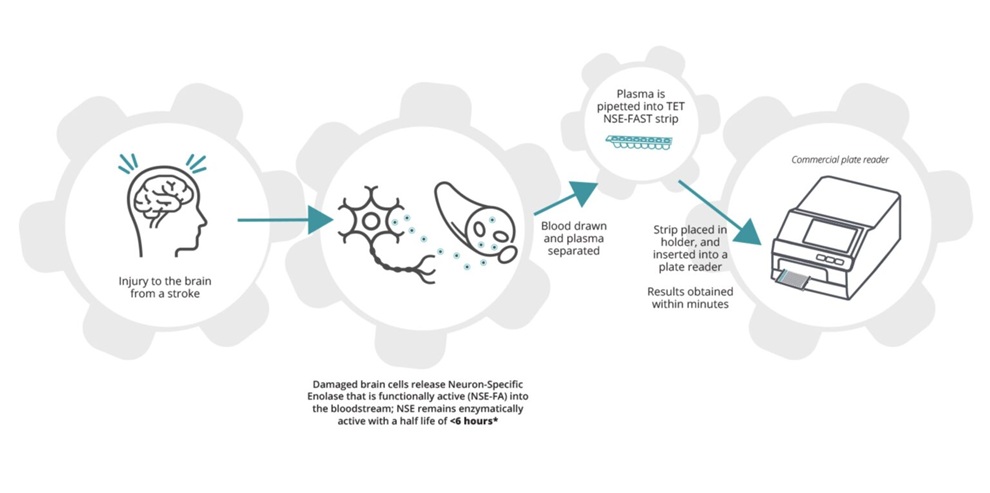
- Rapid Blood Test Aids Diagnosis of Acute Ischemic Stroke
- Maternal Blood Biomarkers Identify Risk of Preterm and Early-Term Birth
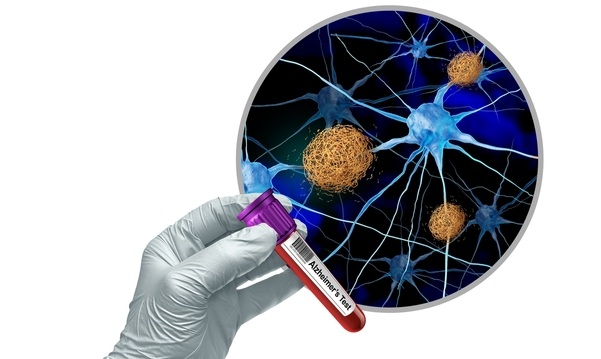
- Blood-Based Alzheimer’s Testing Platform Offers Rapid Results
- Model Predicts Increased ALS Clinic Visits with Expanded Genetic Testing
- Genomic Assays Predict Anthracycline Benefit in Early-Stage Breast Cancer
- Gene Expression Test Refines Melanoma Biopsy Decision-Making
- Ultrasensitive ctDNA Assay Detects MRD in Breast, Colorectal, Renal Cancers
- Female-Specific RNA Biomarker May Help Explain Sex Differences in Immune Disease
- Blood Eosinophil Count May Predict Cancer Immunotherapy Response and Toxicity
- Higher Ferritin Threshold May Improve Iron Deficiency Detection in Children
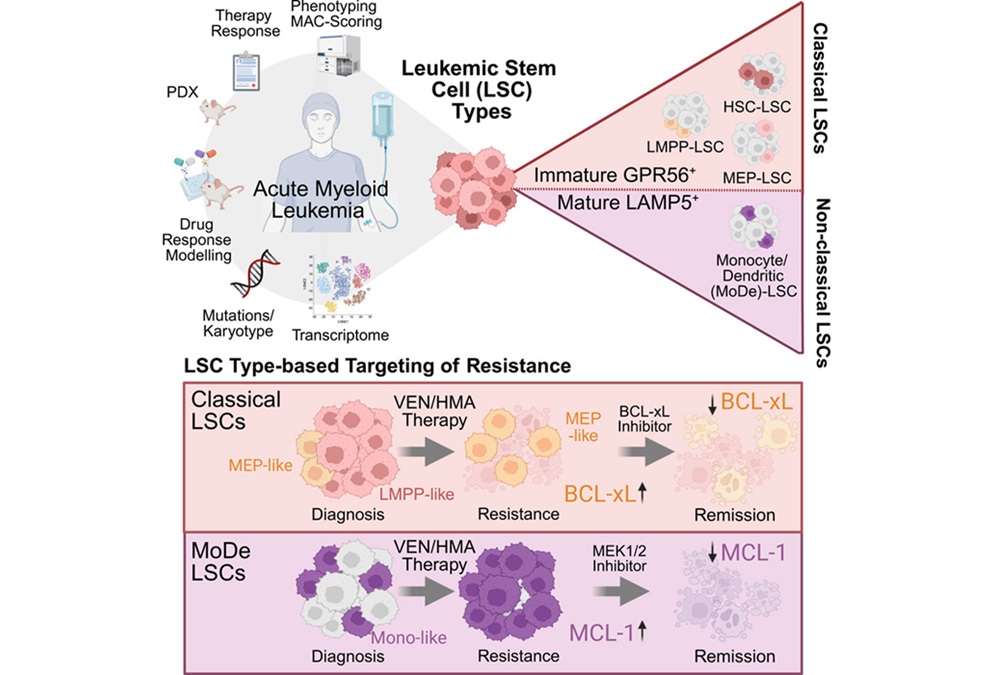
- Stem Cell Biomarkers May Guide Precision Treatment in Acute Myeloid Leukemia
- Advanced CBC-Derived Indices Integrated into Hematology Platforms
- Blood Test Enables Early Detection of Multiple Myeloma Relapse
- Immune Biomarkers Could Identify Risk of Chronic Critical Illness on ICU Admission
- New Cellular Biomarkers Correlate with Disease Severity in Sjögren Disease
- Airway Immune Signature May Predict Tuberculosis Progression Risk
- Lung Immune Profiling Reveals Distinct Severe Pneumonia Subtypes
- Lab-on-a-Chip Approach Advances Immune–Cancer Cell Interaction Analysis
- Machine Learning Reveals Consistent Gut Microbiome Patterns in Colorectal Cancer
- Study Reveals Widespread Community Spread of Drug-Resistant Klebsiella
- Stronger Laboratory Services Support Timely Melioidosis Diagnosis Amid Global Spread
- Extracellular Vesicle Biomarker May Enable Noninvasive Monitoring of H. pylori
- Rapid Molecular Screening Aims to Accelerate Hospital Infection Control for CPE
- Agentic AI Platform Supports Genomic Decision-Making in Oncology
- Mailed Screening Kits Help Reduce Colorectal Cancer Screening Gaps
- Algorithm Panel Aids Liver Fibrosis Assessment and Liver Cancer Surveillance
- AI-Enabled Assistant Unifies Molecular Workflow Planning and Support
- AI Tool Automates Validation of Laboratory Software Configuration Changes
- Merck KGaA to Acquire Bio-Techne, Expanding Life Science Portfolio
- Project Aims to Develop First Single-Cell Assay for ADC Therapies
- Agreement Supports pTau217-Based Alzheimer’s Blood Test Development
- Collaboration Aims to Broaden Access to NETosis-Linked Disease Testing
- Partnership Aims to Improve Transplant Monitoring Across Care Continuum
- Single-Cell Analysis Mapping Links Inflammation Response to Acute Myeloid Leukemia
- Study Reveals New Insights into Rare Blood Cancer Development
- New Findings Clarify Molecular Drivers of Rare Small Intestinal Cancer
- Lung Cancer Study Reveals Cellular Program Behind Therapy Resistance
- Tumor Genome Marker May Predict Treatment Benefit in Pediatric Cancers
- Study Highlights Biomarker Testing Delays in Lung Cancer Care
- Stain-Free Imaging Platform Matches Standard Cancer Pathology
- New Companion Diagnostic Expands Precision Medicine in Prostate Cancer
- Uncertainty-Aware AI Platform Supports Automated HER2 Assessment in Breast Cancer
- AI Tool Speeds Brain Tumor Classification from Routine Histology Slides
 Expo
ADLM
Expo
ADLM
- Blood Protein Signature Diagnoses Pediatric IBD and Distinguishes Subtypes
- Blood Test Detects More High-Risk Prostate Cancers Than PSA
- Rapid Blood Test Aids Diagnosis of Acute Ischemic Stroke
- Maternal Blood Biomarkers Identify Risk of Preterm and Early-Term Birth
- Blood-Based Alzheimer’s Testing Platform Offers Rapid Results
- Model Predicts Increased ALS Clinic Visits with Expanded Genetic Testing
- Genomic Assays Predict Anthracycline Benefit in Early-Stage Breast Cancer
- Gene Expression Test Refines Melanoma Biopsy Decision-Making
- Ultrasensitive ctDNA Assay Detects MRD in Breast, Colorectal, Renal Cancers
- Female-Specific RNA Biomarker May Help Explain Sex Differences in Immune Disease
- Blood Eosinophil Count May Predict Cancer Immunotherapy Response and Toxicity
- Higher Ferritin Threshold May Improve Iron Deficiency Detection in Children
- Stem Cell Biomarkers May Guide Precision Treatment in Acute Myeloid Leukemia
- Advanced CBC-Derived Indices Integrated into Hematology Platforms
- Blood Test Enables Early Detection of Multiple Myeloma Relapse
- Immune Biomarkers Could Identify Risk of Chronic Critical Illness on ICU Admission
- New Cellular Biomarkers Correlate with Disease Severity in Sjögren Disease
- Airway Immune Signature May Predict Tuberculosis Progression Risk
- Lung Immune Profiling Reveals Distinct Severe Pneumonia Subtypes
- Lab-on-a-Chip Approach Advances Immune–Cancer Cell Interaction Analysis
- Machine Learning Reveals Consistent Gut Microbiome Patterns in Colorectal Cancer
- Study Reveals Widespread Community Spread of Drug-Resistant Klebsiella
- Stronger Laboratory Services Support Timely Melioidosis Diagnosis Amid Global Spread
- Extracellular Vesicle Biomarker May Enable Noninvasive Monitoring of H. pylori
- Rapid Molecular Screening Aims to Accelerate Hospital Infection Control for CPE
- Agentic AI Platform Supports Genomic Decision-Making in Oncology
- Mailed Screening Kits Help Reduce Colorectal Cancer Screening Gaps
- Algorithm Panel Aids Liver Fibrosis Assessment and Liver Cancer Surveillance
- AI-Enabled Assistant Unifies Molecular Workflow Planning and Support
- AI Tool Automates Validation of Laboratory Software Configuration Changes
- Merck KGaA to Acquire Bio-Techne, Expanding Life Science Portfolio
- Project Aims to Develop First Single-Cell Assay for ADC Therapies
- Agreement Supports pTau217-Based Alzheimer’s Blood Test Development
- Collaboration Aims to Broaden Access to NETosis-Linked Disease Testing
- Partnership Aims to Improve Transplant Monitoring Across Care Continuum
- Innovative New Technology to Provide Plastic-Exterior Components with Glass Interior, Presented at AACC 2015
- Portable Molecular Diagnostics System Unveiled At 2015 AACC
- Expanded Steroid Control Launched at the 2015 AACC Annual Meeting
- Eco-Friendly Immunoassay Reagents Featured at AACC 2015
- Low Cost Point-of-Care DNA Amplification Test for Chlamydia Infection Demonstrated at the 2015 AACC Annual Meeting
- Derived Exosomal Protein Biomarkers in Alzheimer’s Disease Diagnosis
- New Biochip Array Developed for ApoE4 Classification
- Cell-Free DNA Identifies Liver Transplant Patients with Acute Rejection
- New Method Tested for Early Diagnosis Pediatric Diabetic Nephropathy
- FDA-Cleared Automated Cell Counter for CSF Launched at AACC 2016
- Mesa Biotech Showcases PCR Testing Platform at Clinical Expo
- Abbott Diagnostics Displays Alinity Family of Systems
- Roche Diagnostics Highlights Latest Clinical Lab Solutions at AACC
- Sysmex Highlights Innovations in Flow Cytometry, Urinalysis and Hematology
- Ortho Clinical Diagnostics Unveils Next-Gen Analyzer at Lab Show
- Single-Cell Analysis Mapping Links Inflammation Response to Acute Myeloid Leukemia
- Study Reveals New Insights into Rare Blood Cancer Development
- New Findings Clarify Molecular Drivers of Rare Small Intestinal Cancer
- Lung Cancer Study Reveals Cellular Program Behind Therapy Resistance
- Tumor Genome Marker May Predict Treatment Benefit in Pediatric Cancers
- All Virtual 2020 AACC Uses Artificial Intelligence to Connect Exhibitors and Attendees
- Greiner Bio-One Showcases VACUETTE Virus Stabilization Tube for Transport and Storage of COVID-19 Swab Samples
- Stago Diagnostics Transforms Hemostasis with Innovations at AACC 2020 Virtual Event
- Roche Announces Newest Additions to Cobas Family of Analyzers at AACC 2020 Virtual Event
- Seegene Highlights High-Throughput, Single Tube 8-Plex RT-PCR Test for Flu A, Flu B, RSV and COVID-19 with Dual Internal Controls
- New Test that Measures Antibodies in Girls Who Have Received HPV Vaccine Presented at AACC 2021
- Novel Insights on COVID-19 Vaccines and Virus Evolution, AI in the Clinic, and Miniaturization of Diagnostic Platforms Explored at AACC 2021
- Seegene Unveils New STARlet-AIOS All-in-One Solution for All Molecular Testing at AACC 2021
- Group K Diagnostics Demonstrates KromaHealth Kit that Enables Lab-Quality Results at Point-of-Care
- Fluxergy Introduces First-of-Its-Kind Multi-Modal Laboratory Platform That Diagnoses COVID-19 On-Site in 60 Minutes
- Faster Method Diagnoses Pediatric Urinary Tract Infections
- Tianlong Showcases Integrated PCR Lab Solutions at AACC 2022
- Cellavision Introduces New Workflow Solution for Low-Volume Hematology Labs at AACC 2022
- Advanced Instruments Introduces New Automated Osmometer at AACC 2022
- Innovative Smartphone and AI-Based Tests Featured at AACC 2022
- Ground-Breaking Phage-Based Diagnostic Kit for Laboratory Tuberculosis Testing Presented at AACC 2023
- Laboratory Experts Show How They Are Leading the Way on Global Trends
- Unique Competition Focuses on Using Data Science to Forecast Preanalytical Errors
- Best Approach to Infectious Disease Serology Testing for Laboratorians and Clinicians Discussed at AACC 2023
- Breaking Research Throws Light on COVID, Flu, and RSV Co-Infections
- Cytovale Demonstrates 8-Minute Sepsis Diagnostic Test
- EKF Diagnostics Showcases Range of Diabetes and Hematology POC Devices
- Inpeco Launches Next-Generation Total Lab Automation System
- Tianlong Showcases Latest Products in Molecular Diagnostics, Biochemistry, Immunology and POC Testing
- Messe Düsseldorf Promotes International “MEDICAlliance” Portfolio at ADLM 2024
- Breaking Research to Make Testing for Gynecologic Cancers More Equitable and Accurate
- Clinical Data on New Assay Panel Demonstrates Accurate Assessment of Pancreatic Cancer Risk
- AI-Powered Lyme Disease Diagnostic Test Debuts at ADLM 2025
- New Study Reveals Rapid Sepsis Test Drives 56% Boost in ED Discharges
- First-Ever Fingerstick Host-Response Test Rapidly Differentiates Between Bacterial and Viral Infections
- Study Highlights Biomarker Testing Delays in Lung Cancer Care
- Stain-Free Imaging Platform Matches Standard Cancer Pathology
- New Companion Diagnostic Expands Precision Medicine in Prostate Cancer
- Uncertainty-Aware AI Platform Supports Automated HER2 Assessment in Breast Cancer
- AI Tool Speeds Brain Tumor Classification from Routine Histology Slides










































 Client Login