




Expo
view channel
view channel
view channel
view channel
view channel
view channel
view channel
view channel
view channel
Clinical Chem.
HematologyImmunologyMicrobiologyPathologyTechnologyIndustry
Events
Webinars

- Multi-Cancer Blood Test Expands Detection to Cancers Lacking Routine Screening Options
- Blood Test Could Guide Drug Selection to Prevent Repeat Heart Attacks and Strokes
- Blood Test Patterns Improve Cancer Risk Assessment in Primary Care
- Multi-Biomarker Blood Test Shows Promise for Early Pancreatic Cancer Detection
- Machine Learning Supports Targeted Screening for Elevated Lipoprotein(a)
- Blood-Based MRD Test Predicts Recurrence Risk After Lung Cancer Surgery
- Multiomic Blood Test Supports Noninvasive Monitoring and Subtyping in Pancreatic Cancer
- Electronic Genome Mapping Reveals Structural Abnormalities in Hematologic Malignancies
- Rare Genetic Variant Linked to Dramatically Higher Lung Cancer Risk
- Rapid CRISPR Test Identifies Nontuberculous Mycobacteria Species from Respiratory Samples
- Updated Ferritin Thresholds Improve Detection of Iron Deficiency
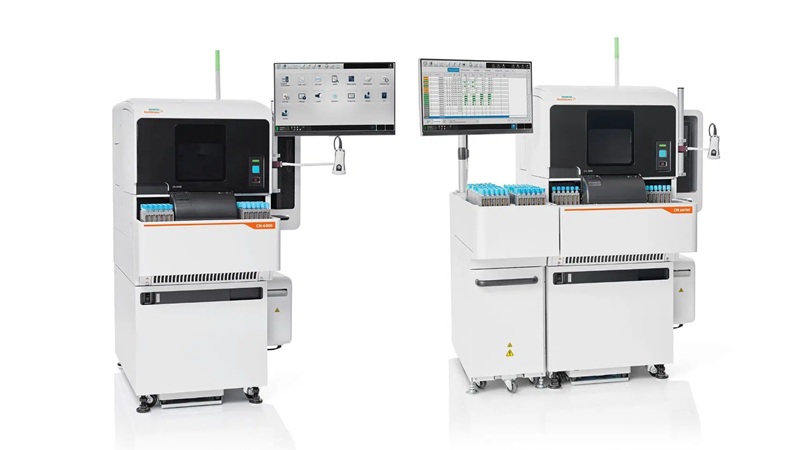
- New Automated Hemostasis Systems Become Available Across US Laboratories
- Variation in AML Residual Disease Testing Prompts Push for Standardization
- Hidden Molecular Mechanism Behind HIT Blood-Clotting Disorder Revealed
- Borderline Anemia May Carry Higher Risk Than Current Thresholds Suggest
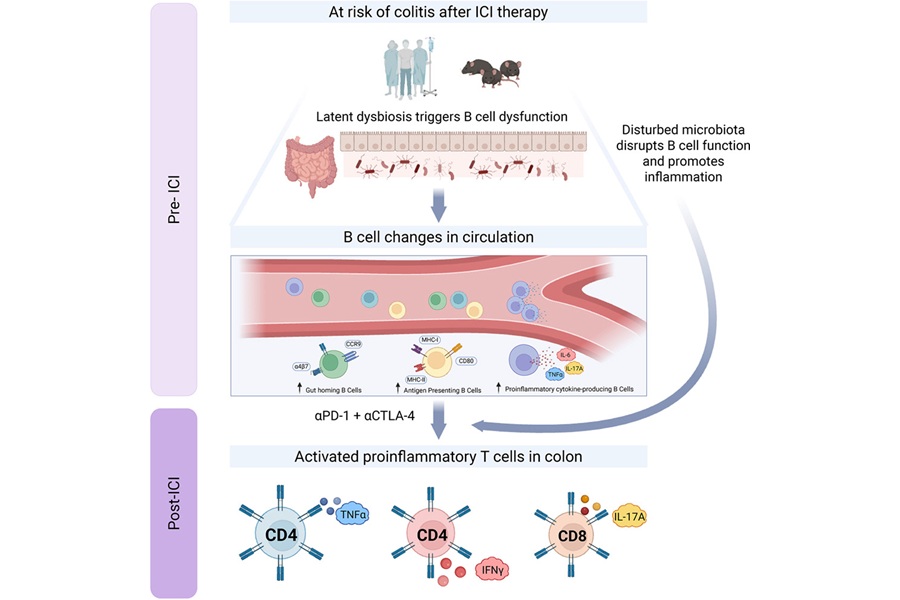
- Blood Biomarker May Predict Colitis Risk in Checkpoint Inhibitor Therapy
- Blood EBV Activity Biomarkers May Predict Multiple Sclerosis Relapse Months Ahead
- New Cellular Map May Help Predict Crohn’s Disease Course in Children
- Temporal Immune Profiling Reveals How Sepsis States Change Over Time
- Study Identifies Immune Cells That Drive Harmful Autoantibody Responses in COVID-19
- Study Finds Frequent Overlap in Antibodies to Lyme and Other Tick-Borne Pathogens
- Early-Life Gut Microbiome Changes May Help Assess Type 1 Diabetes Risk
- Expanded Newborn Screening Program Increases Detection of Congenital Cytomegalovirus
- FDA Breakthrough-Designated Urine Panel Aims to Shorten Pathogen and Susceptibility Testing
- Genetic Studies Uncover Mechanisms Driving Drug Resistance in Superbugs
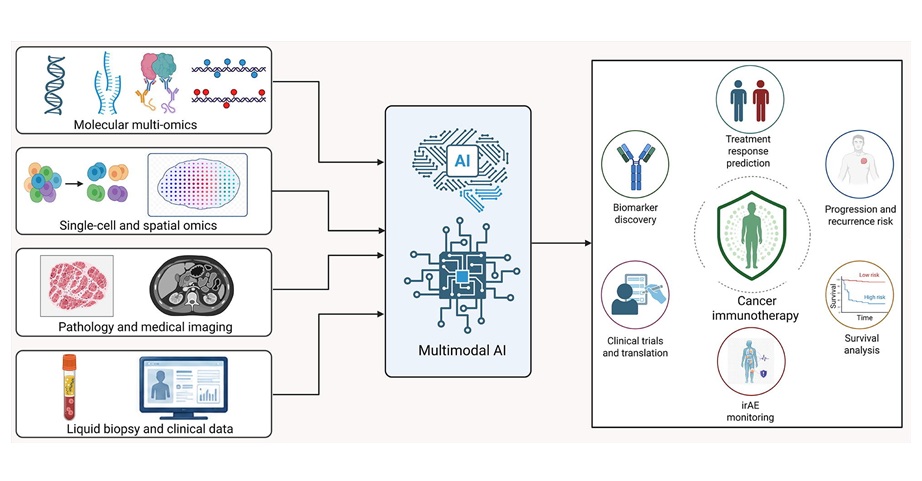
- Multimodal AI Framework Aims to Guide Cancer Immunotherapy Decisions
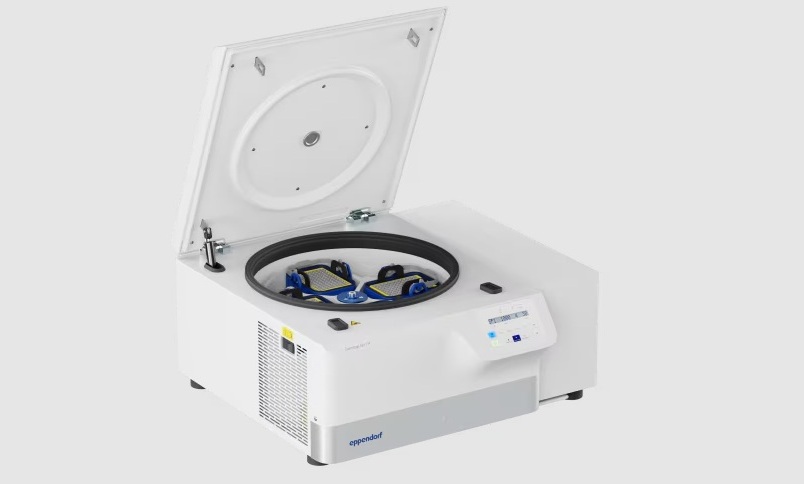
- New Multipurpose Centrifuge Combines High Capacity with Sustainable Cooling
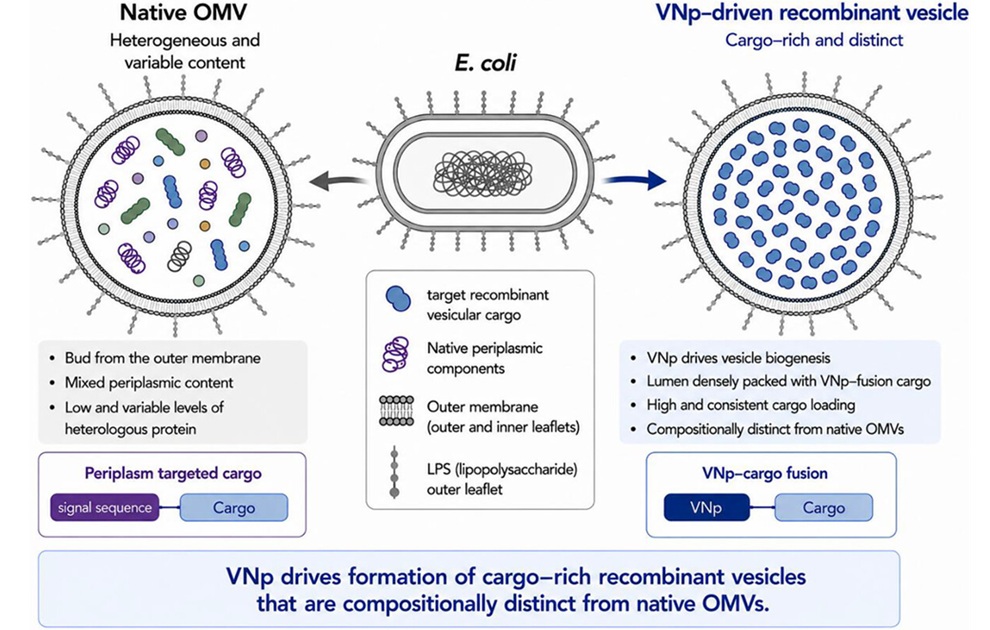
- Bacterial Vesicle Expression System Streamlines Production of Cancer Diagnostic Proteins
- Autonomous Robotic System Receives FDA Authorization for Blood Collection
- Interoperable Data Platform Standardizes Multi-Cancer Blood Test Results
- Mayo Clinic and Thermo Fisher Launch Multi-Omics Venture to Identify Early Disease Signals
- Sputum-Based Lung Cancer Test Technology Granted Hong Kong Patent
- Veracyte Acquisition Expands Urine-Based Bladder Cancer Monitoring Capabilities
- Unilabs Expands Digital Pathology Across European Network with Proscia Platform
- MGI Launches Automated Multiplex Tissue Staining and Imaging System at ECP 2026
- New Autoantibody Target Identified in Neuromyelitis Optica Spectrum Disorder
- New Gene-Disease Link May Help Diagnose Rare Neurodevelopmental Disorders
- Researchers Identify Shared Molecular Networks Behind Fatigue-Related Illnesses
- New Immune Target Could Support More Precise High Blood Pressure Treatment
- Whole-Blood Extracellular Vesicle Analysis Captures Molecular Signals Missed by Plasma Testing
- Multimodal AI Improves Breast Cancer Recurrence Risk Prediction Beyond Standard Genomic Testing
- Machine Learning Cytology Tool Improves Cancer Cell Identification
- Tumor Budding Grading May Predict Chemotherapy Benefit in Resected Lung Squamous Cancer
- CAP Updates Cancer Protocols to Refine Breast Cancer Biomarker Reporting and GIST Molecular Testing
- AI Spatial Analysis of Routine Slides Helps Predict Pancreatic Cancer Recurrence
 Expo
Expo
- Multi-Cancer Blood Test Expands Detection to Cancers Lacking Routine Screening Options
- Blood Test Could Guide Drug Selection to Prevent Repeat Heart Attacks and Strokes
- Blood Test Patterns Improve Cancer Risk Assessment in Primary Care
- Multi-Biomarker Blood Test Shows Promise for Early Pancreatic Cancer Detection
- Machine Learning Supports Targeted Screening for Elevated Lipoprotein(a)
- Blood-Based MRD Test Predicts Recurrence Risk After Lung Cancer Surgery
- Multiomic Blood Test Supports Noninvasive Monitoring and Subtyping in Pancreatic Cancer
- Electronic Genome Mapping Reveals Structural Abnormalities in Hematologic Malignancies
- Rare Genetic Variant Linked to Dramatically Higher Lung Cancer Risk
- Rapid CRISPR Test Identifies Nontuberculous Mycobacteria Species from Respiratory Samples
- Updated Ferritin Thresholds Improve Detection of Iron Deficiency
- New Automated Hemostasis Systems Become Available Across US Laboratories
- Variation in AML Residual Disease Testing Prompts Push for Standardization
- Hidden Molecular Mechanism Behind HIT Blood-Clotting Disorder Revealed
- Borderline Anemia May Carry Higher Risk Than Current Thresholds Suggest
- Blood Biomarker May Predict Colitis Risk in Checkpoint Inhibitor Therapy
- Blood EBV Activity Biomarkers May Predict Multiple Sclerosis Relapse Months Ahead
- New Cellular Map May Help Predict Crohn’s Disease Course in Children
- Temporal Immune Profiling Reveals How Sepsis States Change Over Time
- Study Identifies Immune Cells That Drive Harmful Autoantibody Responses in COVID-19
- Study Finds Frequent Overlap in Antibodies to Lyme and Other Tick-Borne Pathogens
- Early-Life Gut Microbiome Changes May Help Assess Type 1 Diabetes Risk
- Expanded Newborn Screening Program Increases Detection of Congenital Cytomegalovirus
- FDA Breakthrough-Designated Urine Panel Aims to Shorten Pathogen and Susceptibility Testing
- Genetic Studies Uncover Mechanisms Driving Drug Resistance in Superbugs
- Multimodal AI Framework Aims to Guide Cancer Immunotherapy Decisions
- New Multipurpose Centrifuge Combines High Capacity with Sustainable Cooling
- Bacterial Vesicle Expression System Streamlines Production of Cancer Diagnostic Proteins
- Autonomous Robotic System Receives FDA Authorization for Blood Collection
- Interoperable Data Platform Standardizes Multi-Cancer Blood Test Results
- Mayo Clinic and Thermo Fisher Launch Multi-Omics Venture to Identify Early Disease Signals
- Sputum-Based Lung Cancer Test Technology Granted Hong Kong Patent
- Veracyte Acquisition Expands Urine-Based Bladder Cancer Monitoring Capabilities
- Unilabs Expands Digital Pathology Across European Network with Proscia Platform
- MGI Launches Automated Multiplex Tissue Staining and Imaging System at ECP 2026
- New Autoantibody Target Identified in Neuromyelitis Optica Spectrum Disorder
- New Gene-Disease Link May Help Diagnose Rare Neurodevelopmental Disorders
- Researchers Identify Shared Molecular Networks Behind Fatigue-Related Illnesses
- New Immune Target Could Support More Precise High Blood Pressure Treatment
- Whole-Blood Extracellular Vesicle Analysis Captures Molecular Signals Missed by Plasma Testing
- Multimodal AI Improves Breast Cancer Recurrence Risk Prediction Beyond Standard Genomic Testing
- Machine Learning Cytology Tool Improves Cancer Cell Identification
- Tumor Budding Grading May Predict Chemotherapy Benefit in Resected Lung Squamous Cancer
- CAP Updates Cancer Protocols to Refine Breast Cancer Biomarker Reporting and GIST Molecular Testing
- AI Spatial Analysis of Routine Slides Helps Predict Pancreatic Cancer Recurrence







































 Client Login