




Expo
Medica
view channel
view channel
view channel
view channel
view channel
view channel
view channel
view channel
view channel
Clinical Chem.Molecular DiagnosticsHematologyImmunologyMicrobiologyPathologyTechnologyIndustry
Events
Webinars

- Urine Test Supports Normal Pressure Hydrocephalus Diagnosis
- Serum Protein Levels Linked to Liver Cancer Treatment Outcomes
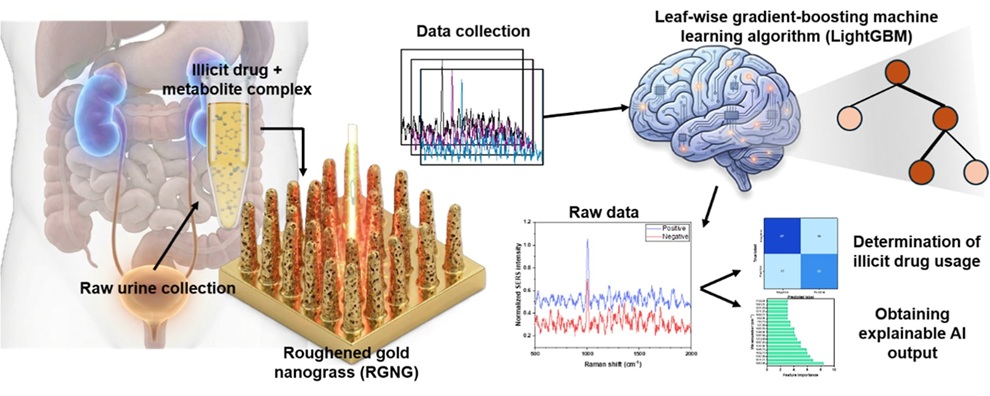
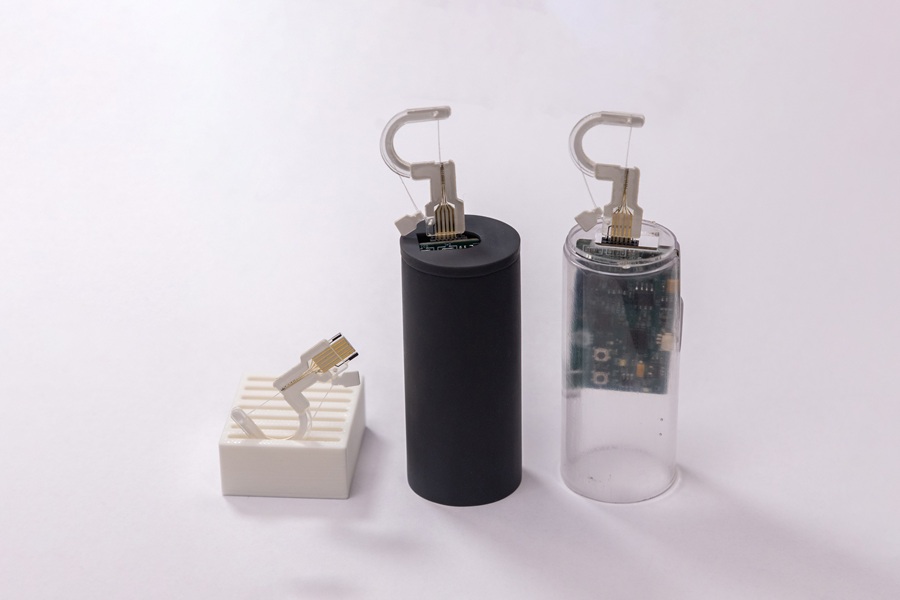
- AI and Nanotechnology Enable Five-Minute Urine Drug Screening
- Study Questions Uniform Stool-Test Cutoff Across Age Groups
- Study Supports Review of Long-Term Blood-Monitoring Guidelines for Clozapine
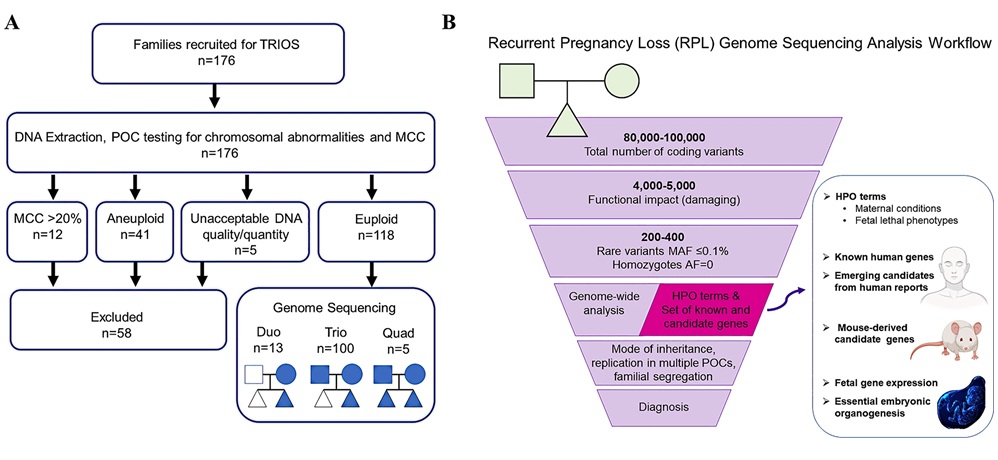
- Genome Sequencing Provides Clues to Unexplained Recurrent Miscarriages
- Genetic Test Improves Risk Prediction for Open-Angle Glaucoma
- Protein-Based Classifier Shows Promise for Predicting Melanoma Treatment Outcomes
- Liquid Biopsy Gains FDA Approval to Guide Breast Cancer Combination Therapy
- Multimodal AI Blood Test Aims to Improve Early Lung Cancer Screening
- Serial Blood Samples Reveal Leukemia’s Evolution Decades Before Diagnosis
- Study Confirms Blood Products Remain Viable After Three Weeks in the Arctic
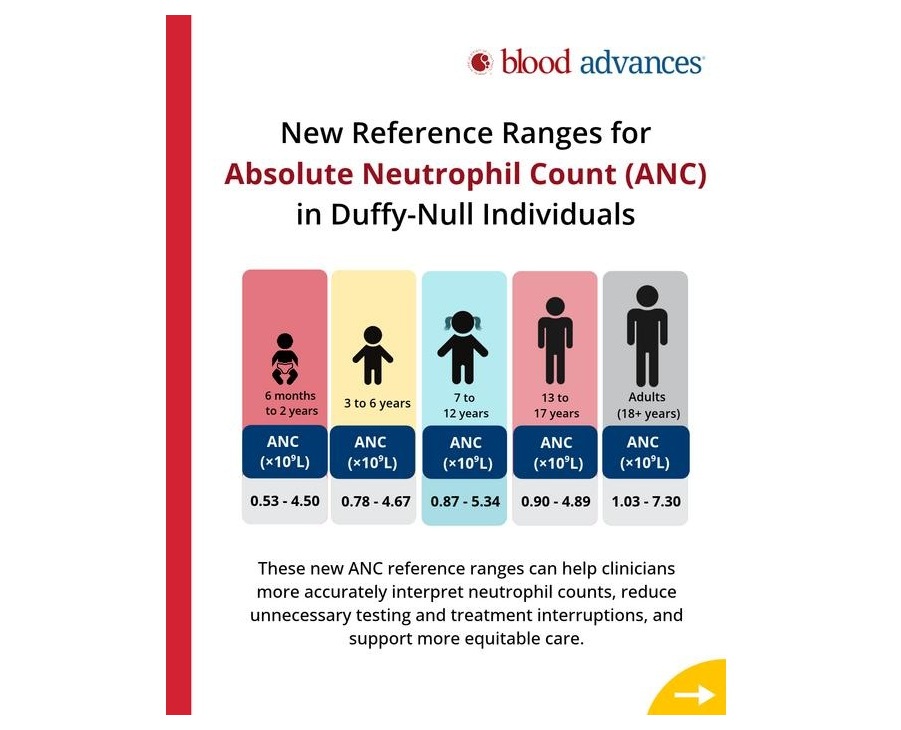
- New Reference Ranges Clarify Normal Neutrophil Counts in Duffy-Null Patients
- Newly Certified FISH Probes Support Cytogenetic Testing in Blood Cancers
- Genetic Testing Offers Opportunities for Earlier Blood Disorder Carrier Identification
- Multiplex PCR Test Gains CE Marking to Support Respiratory Infection Diagnosis
- Antibody Testing Informs Melioidosis Diagnosis and Surveillance in Emerging Regions
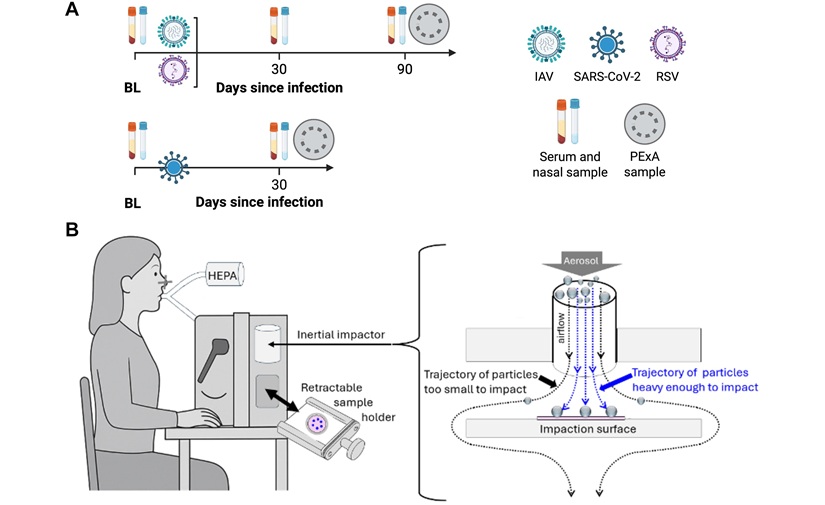
- Exhaled Breath Particles Reveal Virus-Specific Antibodies in the Lower Airways
- Roche Gains FDA Clearance for Flexible Respiratory Pathogen Panel
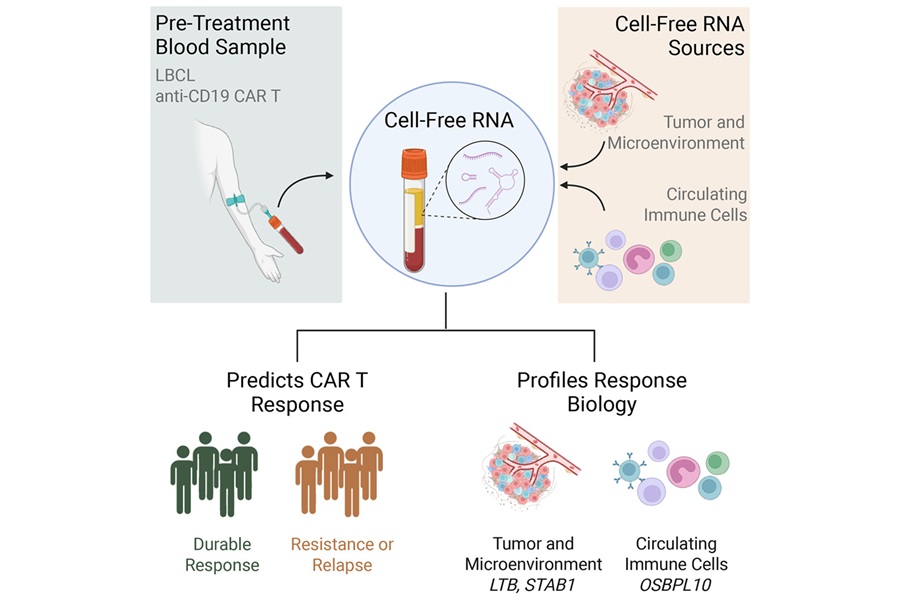
- Tumor and Immune Biomarkers Linked to Treatment Response in T-Cell Lymphoma
- Direct-From-Specimen Pneumonia Test Detects Pathogens and Resistance in Hours
- New WHO Tools Address Gaps in Antimicrobial Resistance Testing
- Complete Malaria Genomes Could Improve Species Identification and Surveillance
- Point-of-Care Test Detects Tuberculosis from Tongue Swab and Sputum
- Automated Microbial Identification and Susceptibility System Gains FDA Clearance
- Experimental Blood Test Detects Markers of Three Cancers and Alzheimer’s Disease
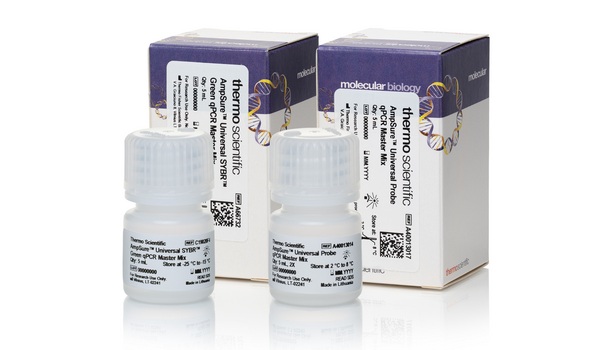
- New qPCR Master Mixes Offer Broad Compatibility for Routine Research
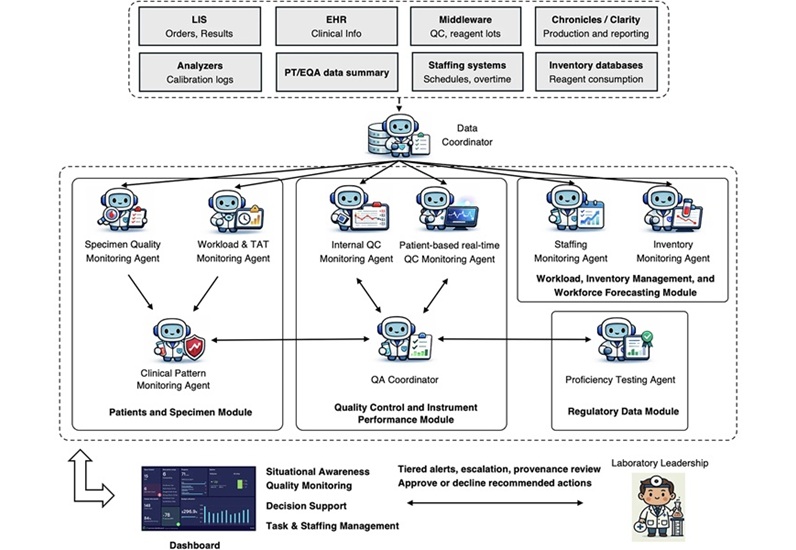
- Multi-Agent AI Framework Supports Laboratory Quality and Workflow Monitoring
- Personal PCR Analyzer Aims to Enable At-Home Infectious Disease Testing
- Microfluidic Assay Predicts Treatment Response in Pediatric Leukemia
- Labcorp Partners With Grupo Fleury to Expand Clinical Trial Operations in Brazil
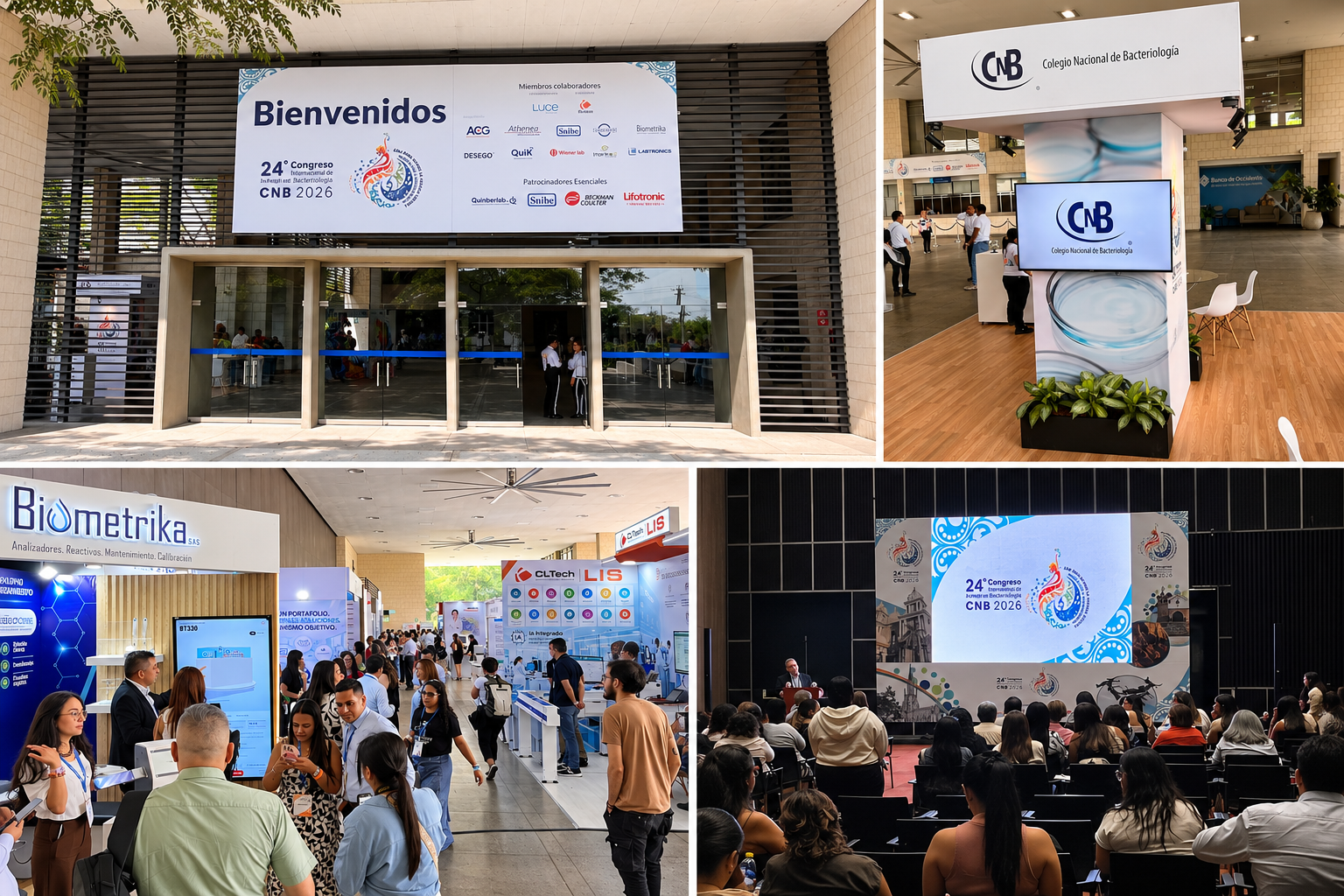
- CNB 2026 Unites Laboratory Professionals in Cali Around Diagnostic Innovation
- C2N Makes PrecivityAD2 Alzheimer’s Blood Test Available to Clinicians
- Natera and Incyte Collaborate on MRD-Guided Colorectal Cancer Treatment Study
- Partnership Aims to Bring Blood-Based Alzheimer’s Testing to Japan
- Statistical Model Helps Track T Cell Behavior During Cancer Immunotherapy
- Blood NAD Levels May Offer Clues to Cardiovascular Health
- Organ-on-Chip System Offers Insights Into Tumor Interactions and Treatment Response
- Extracellular Vesicle Biomarkers Reveal Shared Signals in Aging and Cancer
- Multiplexed Single-Cell DNA Methylation Workflow Enables Analysis of Blood Disorders
- AI Prostate Cancer Test Added to NCCN Guidelines for Post-Surgery Recurrence
- New Training Approach Helps AI Distinguish Neighboring Cells in Tissue
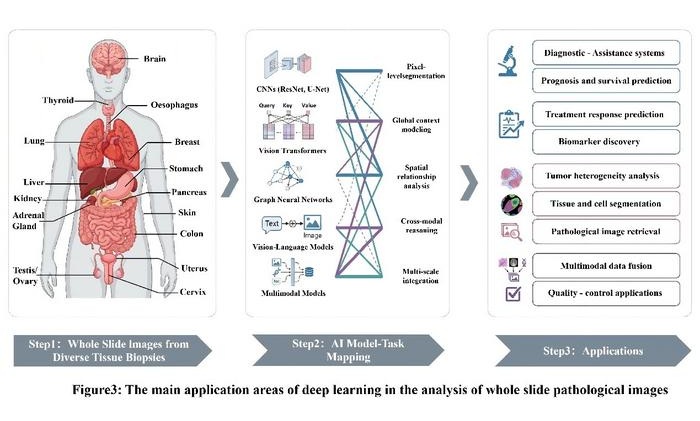
- Review Highlights Progress and Validation Needs for AI in Digital Pathology
- Breakthrough-Designated Cytology Test Supports Oral Cancer Risk Assessment
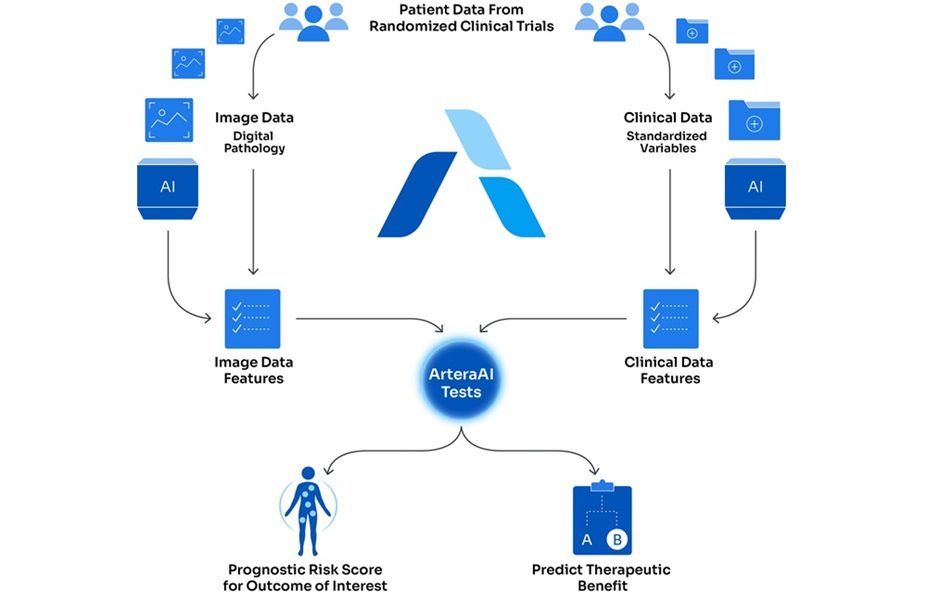
- AI Pathology Approach Closely Aligns With Breast Cancer Genomic Risk Classification
 Expo
Medica
- Urine Test Supports Normal Pressure Hydrocephalus Diagnosis
- Serum Protein Levels Linked to Liver Cancer Treatment Outcomes
- AI and Nanotechnology Enable Five-Minute Urine Drug Screening
- Study Questions Uniform Stool-Test Cutoff Across Age Groups
- Study Supports Review of Long-Term Blood-Monitoring Guidelines for Clozapine
- Genome Sequencing Provides Clues to Unexplained Recurrent Miscarriages
- Genetic Test Improves Risk Prediction for Open-Angle Glaucoma
- Protein-Based Classifier Shows Promise for Predicting Melanoma Treatment Outcomes
- Liquid Biopsy Gains FDA Approval to Guide Breast Cancer Combination Therapy
- Multimodal AI Blood Test Aims to Improve Early Lung Cancer Screening
- Serial Blood Samples Reveal Leukemia’s Evolution Decades Before Diagnosis
- Study Confirms Blood Products Remain Viable After Three Weeks in the Arctic
- New Reference Ranges Clarify Normal Neutrophil Counts in Duffy-Null Patients
- Newly Certified FISH Probes Support Cytogenetic Testing in Blood Cancers
- Genetic Testing Offers Opportunities for Earlier Blood Disorder Carrier Identification
- Multiplex PCR Test Gains CE Marking to Support Respiratory Infection Diagnosis
- Antibody Testing Informs Melioidosis Diagnosis and Surveillance in Emerging Regions
- Exhaled Breath Particles Reveal Virus-Specific Antibodies in the Lower Airways
- Roche Gains FDA Clearance for Flexible Respiratory Pathogen Panel
- Tumor and Immune Biomarkers Linked to Treatment Response in T-Cell Lymphoma
- Direct-From-Specimen Pneumonia Test Detects Pathogens and Resistance in Hours
- New WHO Tools Address Gaps in Antimicrobial Resistance Testing
- Complete Malaria Genomes Could Improve Species Identification and Surveillance
- Point-of-Care Test Detects Tuberculosis from Tongue Swab and Sputum
- Automated Microbial Identification and Susceptibility System Gains FDA Clearance
- Experimental Blood Test Detects Markers of Three Cancers and Alzheimer’s Disease
- New qPCR Master Mixes Offer Broad Compatibility for Routine Research
- Multi-Agent AI Framework Supports Laboratory Quality and Workflow Monitoring
- Personal PCR Analyzer Aims to Enable At-Home Infectious Disease Testing
- Microfluidic Assay Predicts Treatment Response in Pediatric Leukemia
- Labcorp Partners With Grupo Fleury to Expand Clinical Trial Operations in Brazil
- CNB 2026 Unites Laboratory Professionals in Cali Around Diagnostic Innovation
- C2N Makes PrecivityAD2 Alzheimer’s Blood Test Available to Clinicians
- Natera and Incyte Collaborate on MRD-Guided Colorectal Cancer Treatment Study
- Partnership Aims to Bring Blood-Based Alzheimer’s Testing to Japan
- Statistical Model Helps Track T Cell Behavior During Cancer Immunotherapy
- Blood NAD Levels May Offer Clues to Cardiovascular Health
- Organ-on-Chip System Offers Insights Into Tumor Interactions and Treatment Response
- Extracellular Vesicle Biomarkers Reveal Shared Signals in Aging and Cancer
- Multiplexed Single-Cell DNA Methylation Workflow Enables Analysis of Blood Disorders
- Mast Group Introduces New MAST CARBA PAcE for Rapid Carbapenemase Detection
- DRG Instruments Demonstrates DRG:HYBRID-XL Fully Automated Lab Analyzer
- Diatron Introduces New Aquila 5Dretic 5-Part Differential Hematology Analyzer
- Alifax S.r.l. Highlights First Automated System for Bacterial Culture and Susceptibility Testing
- Erba Mannheim Showcases New Launches at MEDICA 2019
- POC System that Requires Single DNA Molecule for Rapid Detection of Multidrug-Resistant Pathogens Unveiled at MEDICA 2021
- Icomes Lab Demonstrates World's Smallest and Lightest Electronic Pipette for PCR Testing at MEDICA 2021
- Bosch Exhibits Vivalytic All-in-One Analyzer for PCR Rapid Tests at MEDICA 2021
- Co-Diagnostics Introduces Its Revolutionary Coprimer Technology at MEDICA 2021
- MGI Tech Showcases World-First High-Throughput Automated Sample Transfer Processing System at MEDICA 2021
- Biovendor Group Presents CLIA Solution for Complex Diagnostics at MEDICA 2022
- Diatron Exhibits Advanced Hematology and Clinical Chemistry Analyzers at MEDICA 2022
- Immundiagnostik AG Presents New PCR Test MutaPLEX RespiraScreen4_Diff_seqc at MEDICA 2022
- Eurotrol Presents the Future of Blood Gas Controls at MEDICA 2022
- Absology Exhibits POCT Immunoassay Analyzer with Testing Time of Five Minutes
- Absology Showcases Latest Advancements in Medical Diagnostics
- Oruba Presents State-of-the-Art Self-Operating Uroflowmeters
- Awareness Technology Exhibits Incredibly Flexible ChemWell 2 ELISA and Chemiluminescent Analyzer
- BioVendor Group Demonstrates Unique IVD Platform and Immunoblot Test
- Greiner Bio-One Highlights Magnetic 3D Cell Culture Technology
- BioVendor Group Introduces Groundbreaking Immunological Biomarker
- Getein Biotech Showcases Latest POCT Analyzers
- Fapon Highlights Innovative IVD Total Solutions and Localization Services
- Wondfo Presents Advanced Solutions in CLIA Testing and Blood Gas Analysis
- Globe Scientific Exhibits Cutting-Edge Solutions for Meeting Laboratory Needs
- Ozelle Unveils Next-Generation AI-Driven Complete Blood Morphology Solution
- Vircell Highlights Diagnostic Innovations in Infectious Diseases at MEDICA 2025
- DiaSys Presents Comprehensive Clinical Chemistry and Immunoturbidimetry Solutions
- Sekisui Diagnostics Displays Full Range of Clinical Chemistry, Point-of-Care, and Biochemical Solutions
- AllTest Biotech Showcases Comprehensive Rapid and Immunoassay Diagnostics at MEDICA 2025
- Winners Announced of the 18th Healthcare Innovation World Cup at MEDICA 2026
- Diazyme Presents Clinical Chemistry Assays for Cancer Biomarkers and Diabetes at MEDICA 2026
- Protia Highlights CE-IVDR-Certified Allergy and Autoimmune Diagnostic Tests
- LumiQuick Diagnostics Showcases Rapid Tests Across Multiple Clinical Applications
- 77 Elektronika Highlights Urinalysis Solutions for Diverse Laboratory Needs
- AI Prostate Cancer Test Added to NCCN Guidelines for Post-Surgery Recurrence
- New Training Approach Helps AI Distinguish Neighboring Cells in Tissue
- Review Highlights Progress and Validation Needs for AI in Digital Pathology
- Breakthrough-Designated Cytology Test Supports Oral Cancer Risk Assessment
- AI Pathology Approach Closely Aligns With Breast Cancer Genomic Risk Classification































 Client Login