






Expo
view channel
view channel
view channel
view channel
view channel
view channel
view channel
view channel
view channel
Clinical Chem.Molecular DiagnosticsHematologyImmunologyMicrobiologyPathologyTechnologyIndustry
Events
Webinars

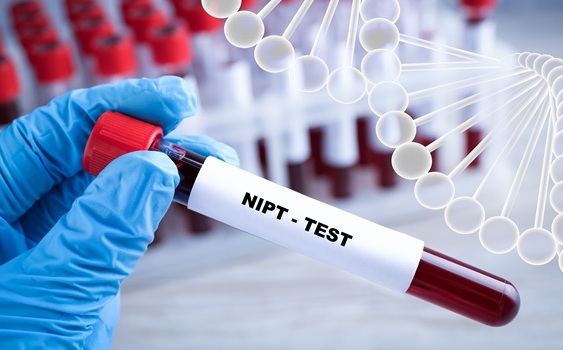
- New Insights Into Fetal DNA Could Improve Non-Invasive Prenatal Testing
- UK Project Advances Blood-Based Dementia Testing Toward Routine Clinical Care
- Noninvasive AI-Enabled Raman Probe Distinguishes Skin Cancers from Normal Tissue
- Screening After Pneumococcal Disease May Reveal Undiagnosed Blood Cancer or Immune Disorders
- Global Survey Underscores Need to Standardize Bone Biomarker Testing
- Blood-Based MRD Test Shows High Specificity in Colorectal Cancer Trials
- Facilitated Cascade Program Increases Genetic Testing in Hereditary Cancer Families
- Urine-Based RNA Improves Bladder Cancer Detection and Monitoring
- Blood RNA Panel Predicts Lung Cancer Risk Years Before Diagnosis
- Bile DNA Testing Detects Tumor Signals Before Conventional Cancer Diagnosis
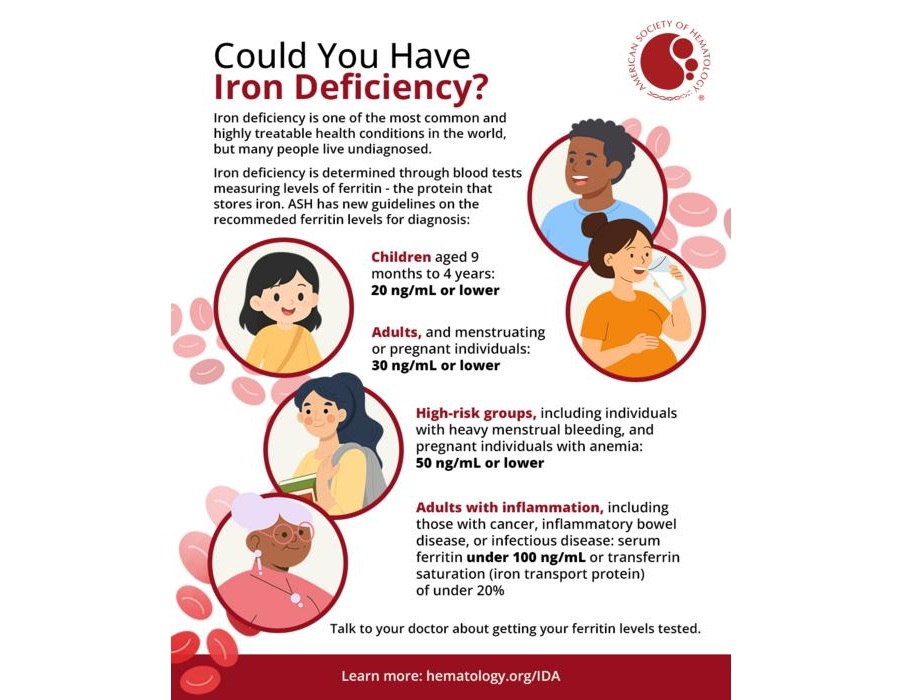
- Updated Ferritin Thresholds Improve Detection of Iron Deficiency
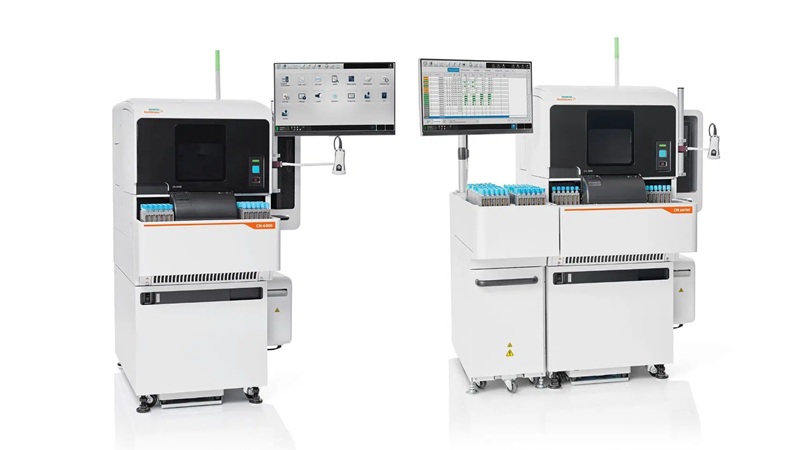
- New Automated Hemostasis Systems Become Available Across US Laboratories
- Variation in AML Residual Disease Testing Prompts Push for Standardization
- Hidden Molecular Mechanism Behind HIT Blood-Clotting Disorder Revealed
- Borderline Anemia May Carry Higher Risk Than Current Thresholds Suggest
- Routine Newborn Blood Spots Can Measure GBS Antibody Levels
- Blood Test Differentiates Bacterial and Viral Infections in Febrile Infants
- New Autoantibody Test Targets Pre-Symptomatic Type 1 Diabetes Screening
- HIV Monitoring Strategy Uses Drug Levels to Guide Resistance Testing
- Werfen Expands Automated APS Testing with FDA-Cleared and CE-Marked IgA Reagent
- Genomic Workflow Identifies Fungal Pathogens Before Blood Cultures Turn Positive
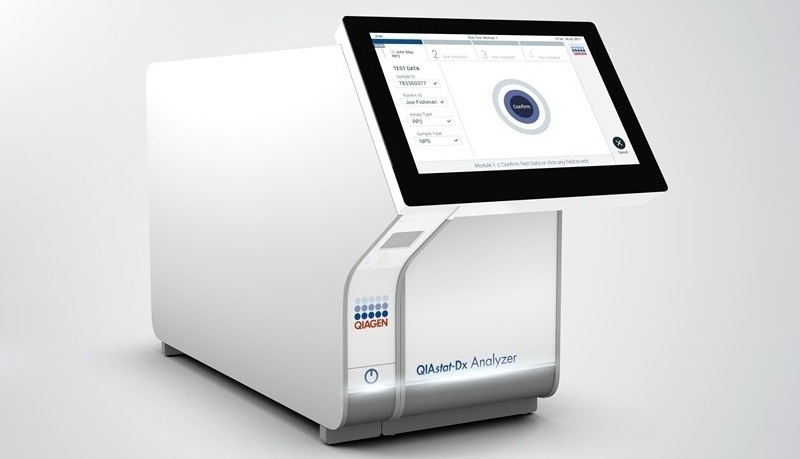
- FDA-Cleared Multiplex PCR Test Detects 13 Respiratory Pathogens in a Single Sample
- One-Hour Molecular Panel Expands Bloodstream Infection Testing for Gram-Negative Pathogens
- FDA Clears Rapid Phenotypic Antimicrobial Susceptibility System for Positive Blood Cultures
- New Urine Test Expands Mycotoxin Analysis to 31 Markers for Broader Exposure Assessment
- Laser-Enhanced Assay Boosts Sensitivity for Colorectal Cancer Biomarker Detection
- New Automation Workflow Streamlines NGS Library Preparation for High-Volume Labs
- ADLM Calls for CLIA Updates to Support Safe AI Use in Laboratory Medicine
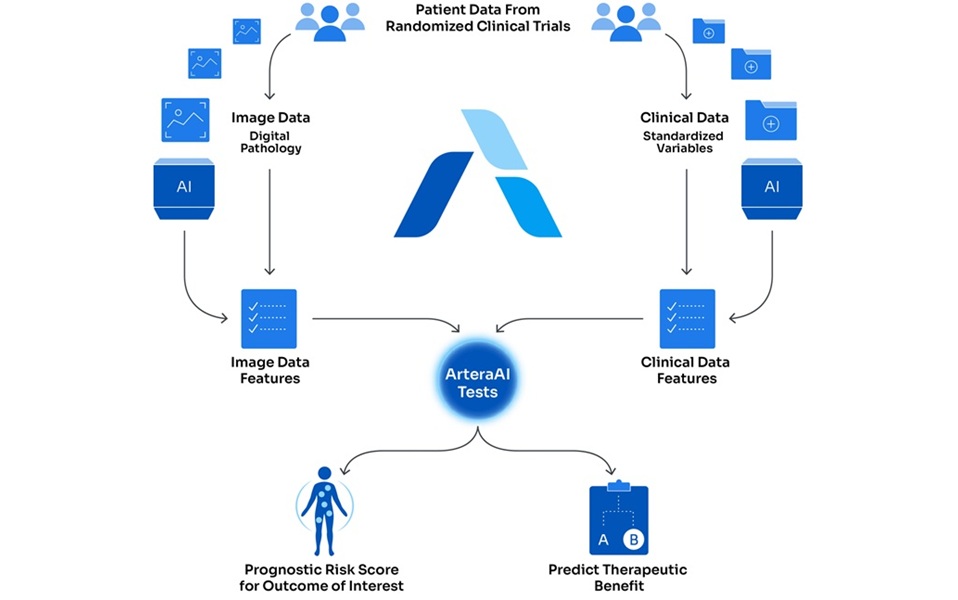
- Multimodal AI Framework Aims to Guide Cancer Immunotherapy Decisions
- New Multipurpose Centrifuge Combines High Capacity with Sustainable Cooling
- Expanded Partnership Supports AI Biomarker Validation and Clinical Trial Deployment
- Collaboration Combines AI Cognitive Assessment and RNA Blood Testing for Earlier Alzheimer’s Detection
- Mayo Clinic Laboratories and Pathology Asia Expand Genomic Testing Across Asia-Pacific
- New UK Collaboration Expands Access to Integrated Alzheimer’s Diagnostic Testing
- Multi-Cancer Early Detection Test Wins FDA Panel Backing for Approval
- Circulating Tumor DNA Helps Identify Targets for Personalized Immunotherapy
- Researchers Classify 108 Lysosomal Disorders in Updated Diagnostic Framework
- New Autoantibody Target Identified in Neuromyelitis Optica Spectrum Disorder
- New Gene-Disease Link May Help Diagnose Rare Neurodevelopmental Disorders
- Researchers Identify Shared Molecular Networks Behind Fatigue-Related Illnesses
- Genomic Classifier Predicts Benefit From Adding Hormone Therapy to Salvage Prostate Radiation
- New AI Model Maps Where Glioblastoma Could Return After Surgery
- Multimodal AI Supports Prostate Cancer Risk Assessment Across Diverse Cohorts
- Simple Test Could Reduce the Need for Invasive Uterine Cancer Checks
- Tumor Blood Vessel Features May Help Predict Colorectal Cancer Survival
 Expo
Expo
- New Insights Into Fetal DNA Could Improve Non-Invasive Prenatal Testing
- UK Project Advances Blood-Based Dementia Testing Toward Routine Clinical Care
- Noninvasive AI-Enabled Raman Probe Distinguishes Skin Cancers from Normal Tissue
- Screening After Pneumococcal Disease May Reveal Undiagnosed Blood Cancer or Immune Disorders
- Global Survey Underscores Need to Standardize Bone Biomarker Testing
- Blood-Based MRD Test Shows High Specificity in Colorectal Cancer Trials
- Facilitated Cascade Program Increases Genetic Testing in Hereditary Cancer Families
- Urine-Based RNA Improves Bladder Cancer Detection and Monitoring
- Blood RNA Panel Predicts Lung Cancer Risk Years Before Diagnosis
- Bile DNA Testing Detects Tumor Signals Before Conventional Cancer Diagnosis
- Updated Ferritin Thresholds Improve Detection of Iron Deficiency
- New Automated Hemostasis Systems Become Available Across US Laboratories
- Variation in AML Residual Disease Testing Prompts Push for Standardization
- Hidden Molecular Mechanism Behind HIT Blood-Clotting Disorder Revealed
- Borderline Anemia May Carry Higher Risk Than Current Thresholds Suggest
- Routine Newborn Blood Spots Can Measure GBS Antibody Levels
- Blood Test Differentiates Bacterial and Viral Infections in Febrile Infants
- New Autoantibody Test Targets Pre-Symptomatic Type 1 Diabetes Screening
- HIV Monitoring Strategy Uses Drug Levels to Guide Resistance Testing
- Werfen Expands Automated APS Testing with FDA-Cleared and CE-Marked IgA Reagent
- Genomic Workflow Identifies Fungal Pathogens Before Blood Cultures Turn Positive
- FDA-Cleared Multiplex PCR Test Detects 13 Respiratory Pathogens in a Single Sample
- One-Hour Molecular Panel Expands Bloodstream Infection Testing for Gram-Negative Pathogens
- FDA Clears Rapid Phenotypic Antimicrobial Susceptibility System for Positive Blood Cultures
- New Urine Test Expands Mycotoxin Analysis to 31 Markers for Broader Exposure Assessment
- Laser-Enhanced Assay Boosts Sensitivity for Colorectal Cancer Biomarker Detection
- New Automation Workflow Streamlines NGS Library Preparation for High-Volume Labs
- ADLM Calls for CLIA Updates to Support Safe AI Use in Laboratory Medicine
- Multimodal AI Framework Aims to Guide Cancer Immunotherapy Decisions
- New Multipurpose Centrifuge Combines High Capacity with Sustainable Cooling
- Expanded Partnership Supports AI Biomarker Validation and Clinical Trial Deployment
- Collaboration Combines AI Cognitive Assessment and RNA Blood Testing for Earlier Alzheimer’s Detection
- Mayo Clinic Laboratories and Pathology Asia Expand Genomic Testing Across Asia-Pacific
- New UK Collaboration Expands Access to Integrated Alzheimer’s Diagnostic Testing
- Multi-Cancer Early Detection Test Wins FDA Panel Backing for Approval
- Circulating Tumor DNA Helps Identify Targets for Personalized Immunotherapy
- Researchers Classify 108 Lysosomal Disorders in Updated Diagnostic Framework
- New Autoantibody Target Identified in Neuromyelitis Optica Spectrum Disorder
- New Gene-Disease Link May Help Diagnose Rare Neurodevelopmental Disorders
- Researchers Identify Shared Molecular Networks Behind Fatigue-Related Illnesses
- Genomic Classifier Predicts Benefit From Adding Hormone Therapy to Salvage Prostate Radiation
- New AI Model Maps Where Glioblastoma Could Return After Surgery
- Multimodal AI Supports Prostate Cancer Risk Assessment Across Diverse Cohorts
- Simple Test Could Reduce the Need for Invasive Uterine Cancer Checks
- Tumor Blood Vessel Features May Help Predict Colorectal Cancer Survival

































 Client Login