




Expo
view channel
view channel
view channel
view channel
view channel
view channel
view channel
view channel
view channel
Clinical Chem.Molecular DiagnosticsHematologyImmunologyMicrobiologyPathologyTechnologyIndustry
Events
Webinars

- Study Evaluates Alzheimer’s Blood Biomarker Across Racial and Ethnic Groups
- Blood Protein May Help Identify Treatment-Resistant Psychosis
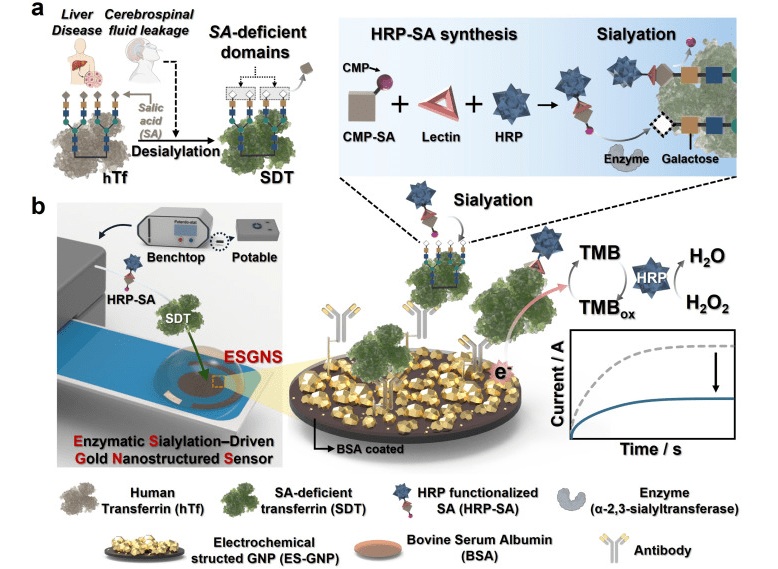
- Electrochemical Biosensor Rapidly Detects Cerebrospinal Fluid Leaks
- Blood Protein Panel Supports Monitoring of Treated Celiac Disease
- Hemoglobin Levels May Help Signal Long-Term Dementia Risk
- Noninvasive Cervical Test Detects Endometrial Cancer for Triage
- Molecular Test Detects Barrett’s Esophagus to Guide Endoscopy Referral
- Blood-Based Metagenomic Test Detects Wide Range of Pathogens from Single Sample
- New RNA Detection Tool Shows Promise for HIV and Other Viral Testing
- Tissue-Specific Vesicle Isolation Expands Molecular Insights Into Liver Disease
- Handheld Point-of-Care Test Aims to Enable Rapid Coagulation Assessment in Trauma
- New Donor Genetic Marker May Help Predict Stem Cell Transplant Success
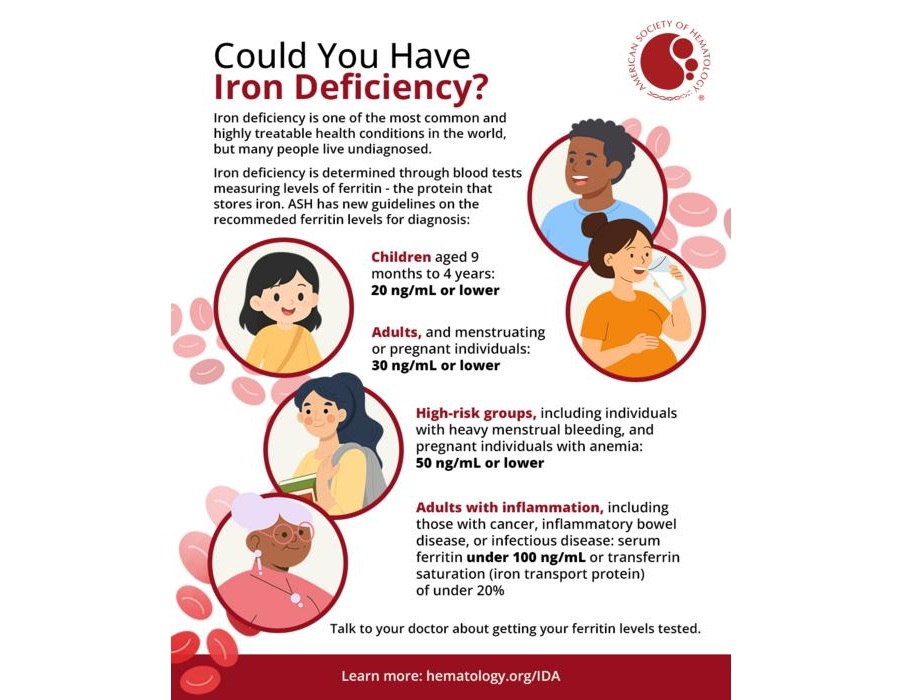
- Updated Ferritin Thresholds Improve Detection of Iron Deficiency
- New Automated Hemostasis Systems Become Available Across US Laboratories
- Variation in AML Residual Disease Testing Prompts Push for Standardization
- Blood-Based Immune Aging Map Could Help Spot Disease Risk Earlier
- Blood-Based Immune Signal Could Reveal Lung Cancer Risk Before Tumors Develop
- Prototype Point-of-Care Test Aims to Improve Neonatal Sepsis Diagnosis
- Single-Tier Lyme Disease Test Shows High Sensitivity in Early Infection
- New Web-Based Platform Helps Autoimmune Laboratories Manage Testing Complexity
- Oral and Lung Microbiome Changes Linked to Severe Long Covid Symptoms
- Study Finds Distinct Malaria Parasites Linked to Sickle Cell Trait Protection
- Rapid Urine Test Aids Diagnosis of Invasive Aspergillosis
- Nanodroplet CRISPR Technology Supports Rapid, Multiplexed Mycobacterial Identification
- Genomic Workflow Identifies Fungal Pathogens Before Blood Cultures Turn Positive
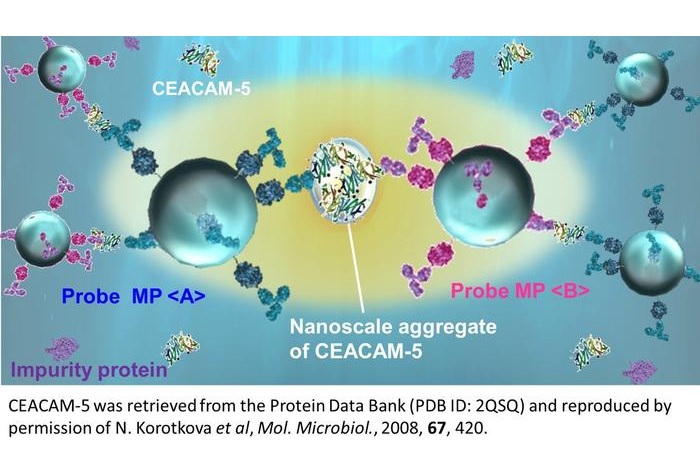
- Laser-Enhanced Assay Boosts Sensitivity for Colorectal Cancer Biomarker Detection
- New Automation Workflow Streamlines NGS Library Preparation for High-Volume Labs
- ADLM Calls for CLIA Updates to Support Safe AI Use in Laboratory Medicine
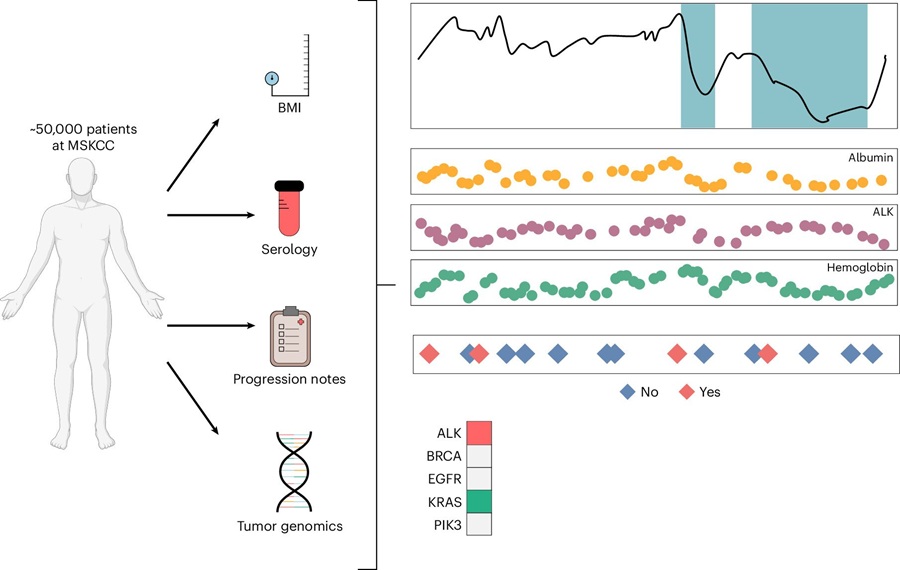
- Multimodal AI Framework Aims to Guide Cancer Immunotherapy Decisions
- New Multipurpose Centrifuge Combines High Capacity with Sustainable Cooling
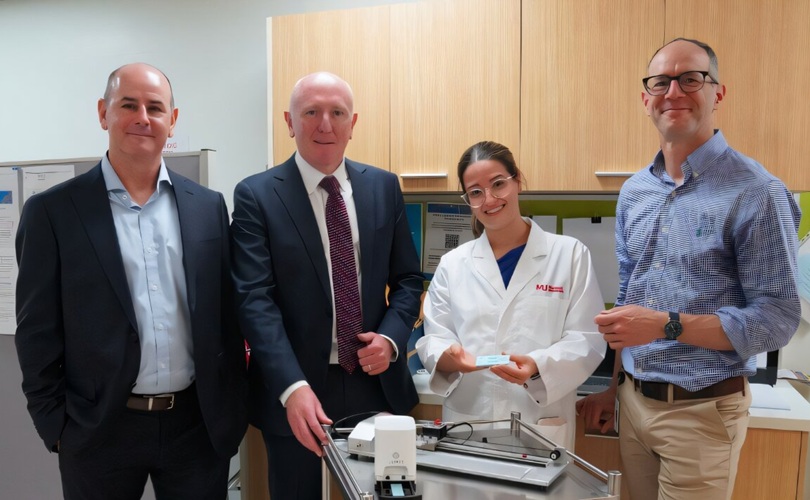
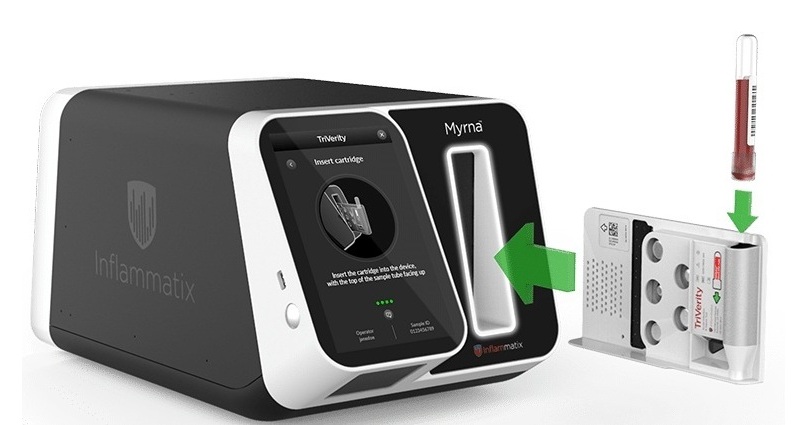
- Hospital Partnership Advances Clinical Validation of Portable Diagnostic Technology
- Agilent Acquisition of Proscia to Advance AI-Enabled Digital Pathology Workflows
- Diazyme Expands Chemistry Testing Portfolio With Alfa Wassermann Acquisition
- Digital Pathology Collaboration Expands Laboratory Access to AI-Driven Diagnostics
- Multi-Cancer Screening Blood Test Gains FDA Breakthrough Designation
- Cancer DNA Trapping Mechanism Reveals Potential Target for Future Therapies
- Genetic Study Links Inherited Blindness to Gene Tied to Rare Metabolic Disorder
- Population-Scale Proteomics Study Identifies New Genetic-Protein Links
- Circulating Tumor DNA Helps Identify Targets for Personalized Immunotherapy
- Researchers Classify 108 Lysosomal Disorders in Updated Diagnostic Framework
- Updated Digital Pathology Platform Expands AI Integration for Cancer Diagnosis
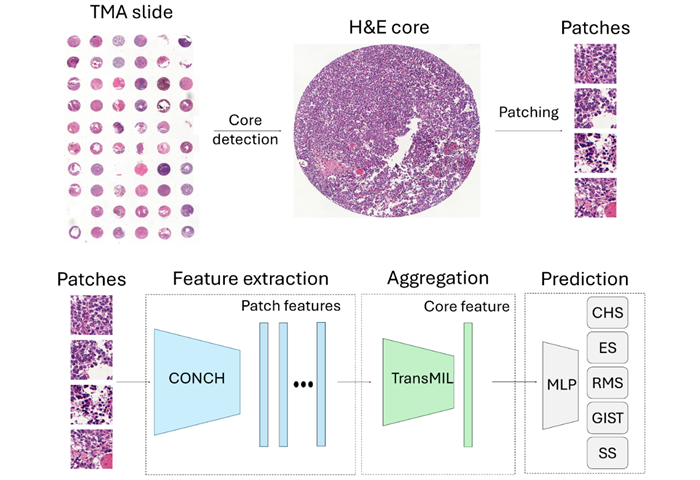
- AI Histopathology Tool Distinguishes Ewing Sarcoma for Diagnosis
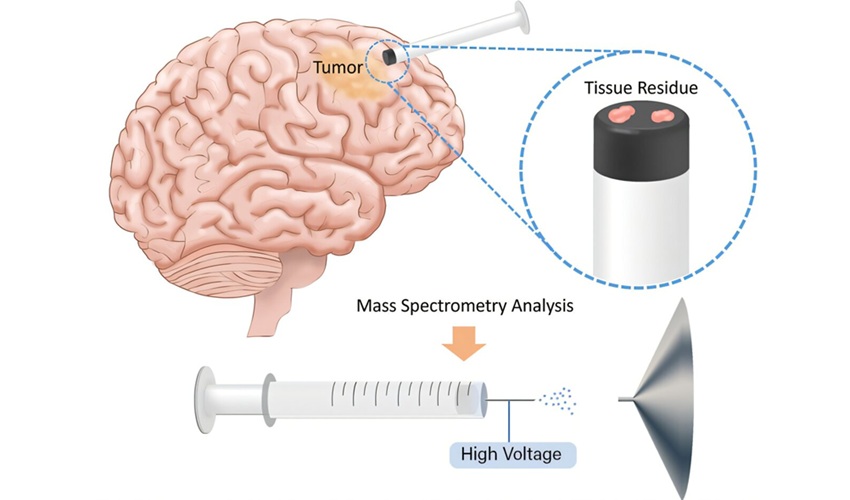
- Rapid Mass Spectrometry Test May Aid Glioma Margin Decisions
- Genomic Classifier Predicts Benefit From Adding Hormone Therapy to Salvage Prostate Radiation
- New AI Model Maps Where Glioblastoma Could Return After Surgery
 Expo
Expo
- Study Evaluates Alzheimer’s Blood Biomarker Across Racial and Ethnic Groups
- Blood Protein May Help Identify Treatment-Resistant Psychosis
- Electrochemical Biosensor Rapidly Detects Cerebrospinal Fluid Leaks
- Blood Protein Panel Supports Monitoring of Treated Celiac Disease
- Hemoglobin Levels May Help Signal Long-Term Dementia Risk
- Noninvasive Cervical Test Detects Endometrial Cancer for Triage
- Molecular Test Detects Barrett’s Esophagus to Guide Endoscopy Referral
- Blood-Based Metagenomic Test Detects Wide Range of Pathogens from Single Sample
- New RNA Detection Tool Shows Promise for HIV and Other Viral Testing
- Tissue-Specific Vesicle Isolation Expands Molecular Insights Into Liver Disease
- Handheld Point-of-Care Test Aims to Enable Rapid Coagulation Assessment in Trauma
- New Donor Genetic Marker May Help Predict Stem Cell Transplant Success
- Updated Ferritin Thresholds Improve Detection of Iron Deficiency
- New Automated Hemostasis Systems Become Available Across US Laboratories
- Variation in AML Residual Disease Testing Prompts Push for Standardization
- Blood-Based Immune Aging Map Could Help Spot Disease Risk Earlier
- Blood-Based Immune Signal Could Reveal Lung Cancer Risk Before Tumors Develop
- Prototype Point-of-Care Test Aims to Improve Neonatal Sepsis Diagnosis
- Single-Tier Lyme Disease Test Shows High Sensitivity in Early Infection
- New Web-Based Platform Helps Autoimmune Laboratories Manage Testing Complexity
- Oral and Lung Microbiome Changes Linked to Severe Long Covid Symptoms
- Study Finds Distinct Malaria Parasites Linked to Sickle Cell Trait Protection
- Rapid Urine Test Aids Diagnosis of Invasive Aspergillosis
- Nanodroplet CRISPR Technology Supports Rapid, Multiplexed Mycobacterial Identification
- Genomic Workflow Identifies Fungal Pathogens Before Blood Cultures Turn Positive
- Laser-Enhanced Assay Boosts Sensitivity for Colorectal Cancer Biomarker Detection
- New Automation Workflow Streamlines NGS Library Preparation for High-Volume Labs
- ADLM Calls for CLIA Updates to Support Safe AI Use in Laboratory Medicine
- Multimodal AI Framework Aims to Guide Cancer Immunotherapy Decisions
- New Multipurpose Centrifuge Combines High Capacity with Sustainable Cooling
- Hospital Partnership Advances Clinical Validation of Portable Diagnostic Technology
- Agilent Acquisition of Proscia to Advance AI-Enabled Digital Pathology Workflows
- Diazyme Expands Chemistry Testing Portfolio With Alfa Wassermann Acquisition
- Digital Pathology Collaboration Expands Laboratory Access to AI-Driven Diagnostics
- Multi-Cancer Screening Blood Test Gains FDA Breakthrough Designation
- Cancer DNA Trapping Mechanism Reveals Potential Target for Future Therapies
- Genetic Study Links Inherited Blindness to Gene Tied to Rare Metabolic Disorder
- Population-Scale Proteomics Study Identifies New Genetic-Protein Links
- Circulating Tumor DNA Helps Identify Targets for Personalized Immunotherapy
- Researchers Classify 108 Lysosomal Disorders in Updated Diagnostic Framework
- Updated Digital Pathology Platform Expands AI Integration for Cancer Diagnosis
- AI Histopathology Tool Distinguishes Ewing Sarcoma for Diagnosis
- Rapid Mass Spectrometry Test May Aid Glioma Margin Decisions
- Genomic Classifier Predicts Benefit From Adding Hormone Therapy to Salvage Prostate Radiation
- New AI Model Maps Where Glioblastoma Could Return After Surgery





































 Client Login