




Expo
view channel
view channel
view channel
view channel
view channel
view channel
view channel
view channel
view channel
Clinical Chem.
HematologyImmunologyMicrobiologyPathologyTechnologyIndustry
Events
Webinars

- Flow Cytometry Tests Receive FDA Clearance for B-Cell Lymphoma Diagnosis
- Combined Blood and Imaging Data Help Identify More Lung Cancer Cases
- Blood Protein Panel Detects ALS with High Accuracy
- Single-Vesicle Analysis Reveals Tissue-Associated Inflammatory Signatures
- Plasma Proteomic Test Detects Immunotherapy Resistance Before Imaging in Lung Cancer
- Microsatellite Instability Test Gains FDA Approval for Immunotherapy Selection
- Blood-Detected Chromosomal Changes May Refine Colorectal Cancer Risk Assessment
- AI Tool Automates Variant Curation and Interpretation for Cancer Whole-Genome Sequencing
- Portable Test Detects Zika and Hepatitis C RNA from Whole Blood
- Blood-Based Test May Predict Response Across Rheumatoid Arthritis Drug Classes
- Newly Certified FISH Probes Support Cytogenetic Testing in Blood Cancers
- Genetic Testing Offers Opportunities for Earlier Blood Disorder Carrier Identification
- New Risk-Stratification Tool Predicts Relapse After Blinatumomab in Childhood ALL
- New Myelofibrosis Guidelines Recommend Expanded Genetic Testing at Diagnosis
- Handheld Point-of-Care Test Aims to Enable Rapid Coagulation Assessment in Trauma
- Antibody Testing Informs Melioidosis Diagnosis and Surveillance in Emerging Regions
- Exhaled Breath Particles Reveal Virus-Specific Antibodies in the Lower Airways
- Roche Gains FDA Clearance for Flexible Respiratory Pathogen Panel
- Tumor and Immune Biomarkers Linked to Treatment Response in T-Cell Lymphoma
- Prototype Point-of-Care Lateral Flow Test Aims to Improve Neonatal Sepsis Triage
- Gastrointestinal Flex Assay Gains EU Certification for Tailored Pathogen Testing
- Molecular Panels Gain FDA Clearance for One-Hour Gastrointestinal Pathogen Testing
- Common Genetic Variant Increases Risk of Bacterial Pneumonia
- Stool Testing Predicts UTI Risk and Guides Antibiotic Selection
- Rapid Host-Response Assay Gains FDA Clearance to Help Distinguish Bacterial and Viral Infections
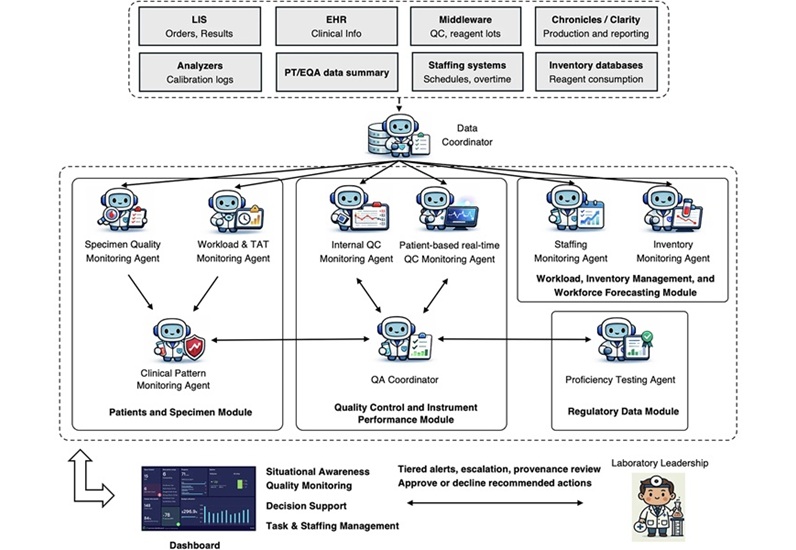
- Multi-Agent AI Framework Supports Laboratory Quality and Workflow Monitoring
- Personal PCR Analyzer Aims to Enable At-Home Infectious Disease Testing
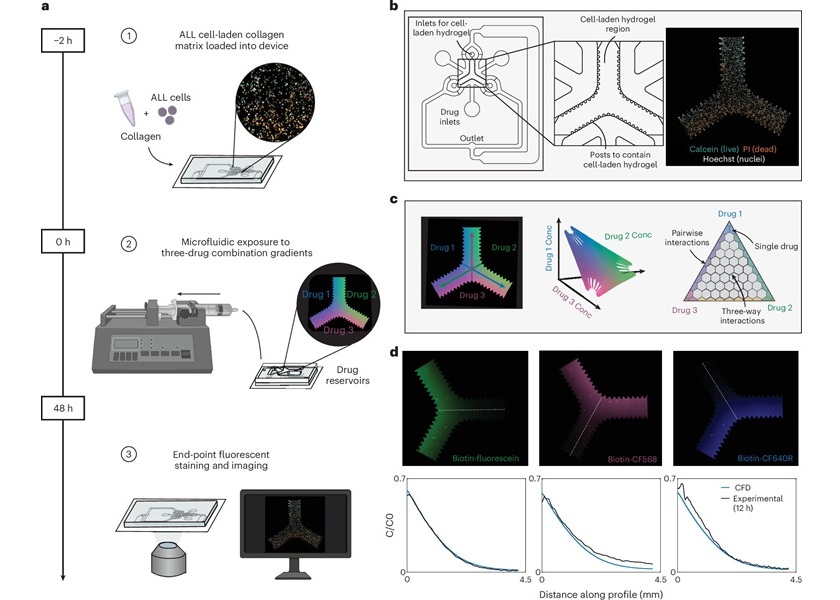
- Microfluidic Assay Predicts Treatment Response in Pediatric Leukemia
- AI Models Use Routine Blood Tests and Health Records to Predict Cancer Risk
- Compact PCR Thermal Cycler Launches for Routine Molecular Laboratory Workflows
- Siemens Healthineers Begins Transition Toward Standalone Olyrian Diagnostics Business
- Agilent Completes Acquisition of Digital Pathology Platform Developer Proscia
- New Diagnostics Company Onvaro Formed to Expand Decentralized Testing
- Illumina Selected to Support National Genomics Study for Personalized Healthcare in Singapore
- Collaboration Expands Access to Tests for Cancer Treatment Resistance and Toxicity Risk
- Multiplexed Single-Cell DNA Methylation Workflow Enables Analysis of Blood Disorders
- Study Reveals Regulatory DNA Element Involved in Breast Cancer Growth Suppression
- Platelet Biomarkers Identify Progression Signals in Parkinson's Disease
- New ddPCR Assays Broaden Options for Multiplex Cancer Mutation Research
- Molecular Atlas Offers New Framework for Breast Cancer Risk and Treatment Research
- Breakthrough-Designated Cytology Test Supports Oral Cancer Risk Assessment
- AI Pathology Approach Closely Aligns With Breast Cancer Genomic Risk Classification
- Roche Launches Automated Test to Support Mesothelioma Differential Diagnosis
- Digital Pathology Test Stratifies Recurrence Risk in Early Breast Cancer
- AI Pathology Tool Predicts DNA Repair Deficiency in High-Grade Serous Ovarian Cancer
 Expo
- Flow Cytometry Tests Receive FDA Clearance for B-Cell Lymphoma Diagnosis
- Combined Blood and Imaging Data Help Identify More Lung Cancer Cases
- Blood Protein Panel Detects ALS with High Accuracy
- Single-Vesicle Analysis Reveals Tissue-Associated Inflammatory Signatures
- Plasma Proteomic Test Detects Immunotherapy Resistance Before Imaging in Lung Cancer
- Microsatellite Instability Test Gains FDA Approval for Immunotherapy Selection
- Blood-Detected Chromosomal Changes May Refine Colorectal Cancer Risk Assessment
- AI Tool Automates Variant Curation and Interpretation for Cancer Whole-Genome Sequencing
- Portable Test Detects Zika and Hepatitis C RNA from Whole Blood
- Blood-Based Test May Predict Response Across Rheumatoid Arthritis Drug Classes
- Newly Certified FISH Probes Support Cytogenetic Testing in Blood Cancers
- Genetic Testing Offers Opportunities for Earlier Blood Disorder Carrier Identification
- New Risk-Stratification Tool Predicts Relapse After Blinatumomab in Childhood ALL
- New Myelofibrosis Guidelines Recommend Expanded Genetic Testing at Diagnosis
- Handheld Point-of-Care Test Aims to Enable Rapid Coagulation Assessment in Trauma
- Antibody Testing Informs Melioidosis Diagnosis and Surveillance in Emerging Regions
- Exhaled Breath Particles Reveal Virus-Specific Antibodies in the Lower Airways
- Roche Gains FDA Clearance for Flexible Respiratory Pathogen Panel
- Tumor and Immune Biomarkers Linked to Treatment Response in T-Cell Lymphoma
- Prototype Point-of-Care Lateral Flow Test Aims to Improve Neonatal Sepsis Triage
- Gastrointestinal Flex Assay Gains EU Certification for Tailored Pathogen Testing
- Molecular Panels Gain FDA Clearance for One-Hour Gastrointestinal Pathogen Testing
- Common Genetic Variant Increases Risk of Bacterial Pneumonia
- Stool Testing Predicts UTI Risk and Guides Antibiotic Selection
- Rapid Host-Response Assay Gains FDA Clearance to Help Distinguish Bacterial and Viral Infections
- Multi-Agent AI Framework Supports Laboratory Quality and Workflow Monitoring
- Personal PCR Analyzer Aims to Enable At-Home Infectious Disease Testing
- Microfluidic Assay Predicts Treatment Response in Pediatric Leukemia
- AI Models Use Routine Blood Tests and Health Records to Predict Cancer Risk
- Compact PCR Thermal Cycler Launches for Routine Molecular Laboratory Workflows
- Siemens Healthineers Begins Transition Toward Standalone Olyrian Diagnostics Business
- Agilent Completes Acquisition of Digital Pathology Platform Developer Proscia
- New Diagnostics Company Onvaro Formed to Expand Decentralized Testing
- Illumina Selected to Support National Genomics Study for Personalized Healthcare in Singapore
- Collaboration Expands Access to Tests for Cancer Treatment Resistance and Toxicity Risk
- Multiplexed Single-Cell DNA Methylation Workflow Enables Analysis of Blood Disorders
- Study Reveals Regulatory DNA Element Involved in Breast Cancer Growth Suppression
- Platelet Biomarkers Identify Progression Signals in Parkinson's Disease
- New ddPCR Assays Broaden Options for Multiplex Cancer Mutation Research
- Molecular Atlas Offers New Framework for Breast Cancer Risk and Treatment Research
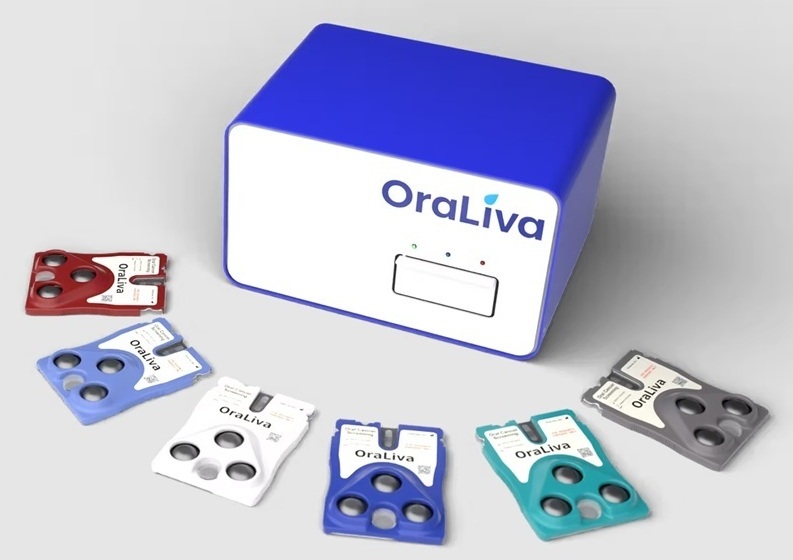
- Breakthrough-Designated Cytology Test Supports Oral Cancer Risk Assessment
- AI Pathology Approach Closely Aligns With Breast Cancer Genomic Risk Classification
- Roche Launches Automated Test to Support Mesothelioma Differential Diagnosis
- Digital Pathology Test Stratifies Recurrence Risk in Early Breast Cancer
- AI Pathology Tool Predicts DNA Repair Deficiency in High-Grade Serous Ovarian Cancer






























 Client Login