




Expo
view channel
view channel
view channel
view channel
view channel
view channel
view channel
view channel
view channel
Clinical Chem.Molecular DiagnosticsHematologyImmunologyMicrobiologyPathologyTechnologyIndustry
Events
Webinars

- Research Blood Test Shows Similar Breast Cancer Performance Across Serum and Plasma
- FDA Clearance Extends Mass Spectrometry Testing to Myeloma Monitoring
- Alzheimer’s Blood Test Shows Accuracy Comparable to Cerebrospinal Fluid Testing
- Urine Test Supports Normal Pressure Hydrocephalus Diagnosis
- Serum Protein Levels Linked to Liver Cancer Treatment Outcomes
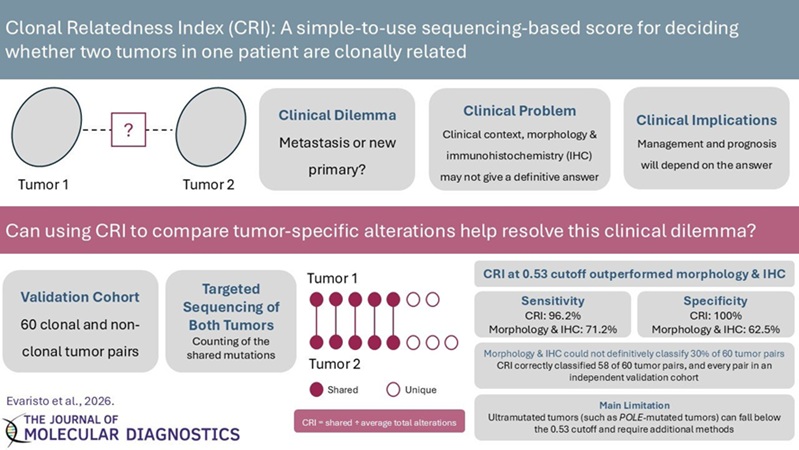
- Genomic Index Helps Distinguish Metastases From New Primary Tumors
- Blood Testing Monitors Small Cell Lung Cancer Treatment Response
- Whole-Genome Sequencing Reveals Potentially Missed Cancer Treatment Targets
- New Marker Could Refine Cancer Risk Assessment in Barrett’s Esophagus
- Limited Genomic Data Hinder Heart Failure Screening in Brazilian Patients
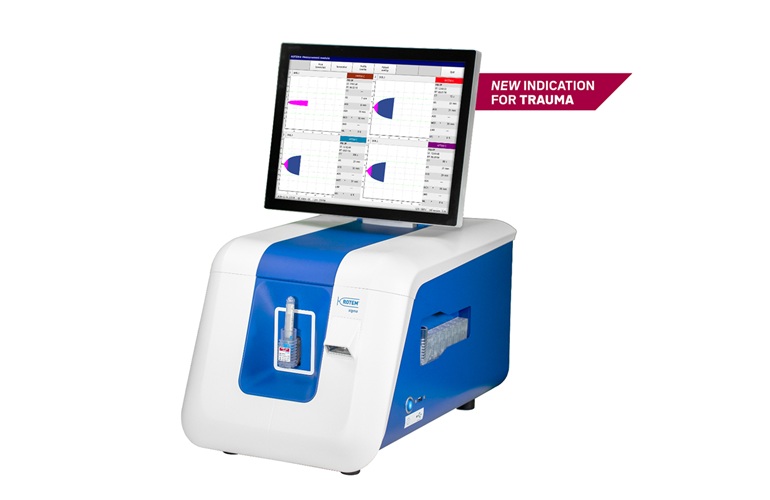
- Werfen Gains FDA Clearance for ROTEM sigma Cartridge Use in Trauma
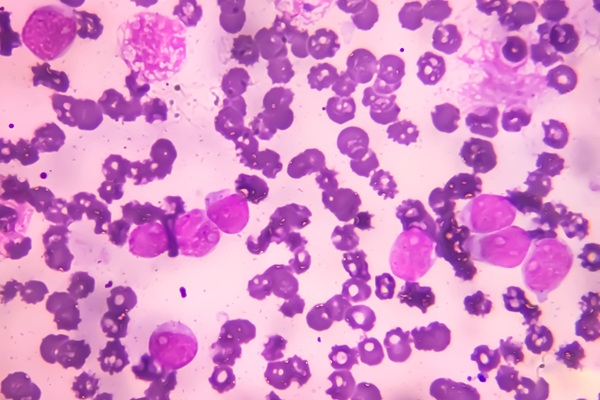
- Serial Blood Samples Reveal Leukemia’s Evolution Decades Before Diagnosis
- Study Confirms Blood Products Remain Viable After Three Weeks in the Arctic
- New Reference Ranges Clarify Normal Neutrophil Counts in Duffy-Null Patients
- Newly Certified FISH Probes Support Cytogenetic Testing in Blood Cancers
- Multiplex PCR Test Gains CE Marking to Support Respiratory Infection Diagnosis
- Antibody Testing Informs Melioidosis Diagnosis and Surveillance in Emerging Regions
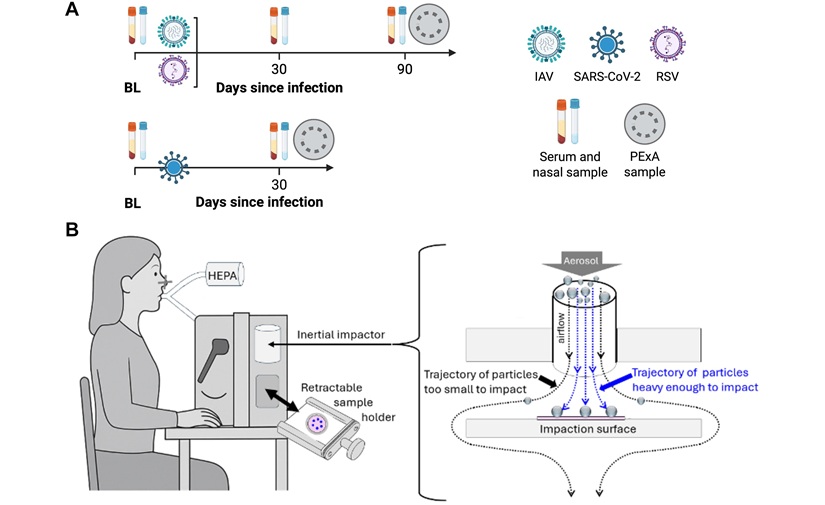
- Exhaled Breath Particles Reveal Virus-Specific Antibodies in the Lower Airways
- Roche Gains FDA Clearance for Flexible Respiratory Pathogen Panel
- Tumor and Immune Biomarkers Linked to Treatment Response in T-Cell Lymphoma
- First Point-of-Care Active Syphilis Test Detects Four Pathogens in 15 Minutes
- HPV Viral Load Trends May Help Predict Cervical Precancer Risk
- Countries Expand HPV-Based Screening Toward Cervical Cancer Elimination
- WHO Survey Reveals Gaps in Antimicrobial Resistance Testing and Response
- Direct-From-Specimen Pneumonia Test Detects Pathogens and Resistance in Hours
- Experimental Blood Test Detects Markers of Three Cancers and Alzheimer’s Disease
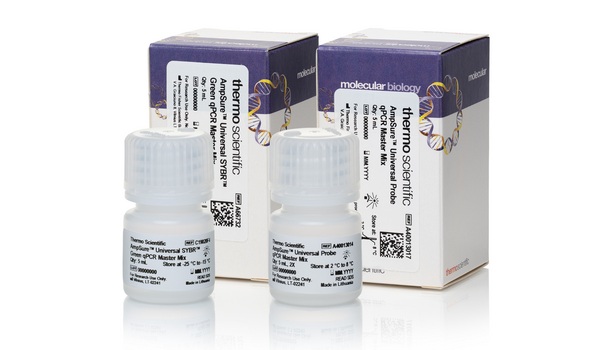
- New qPCR Master Mixes Offer Broad Compatibility for Routine Research
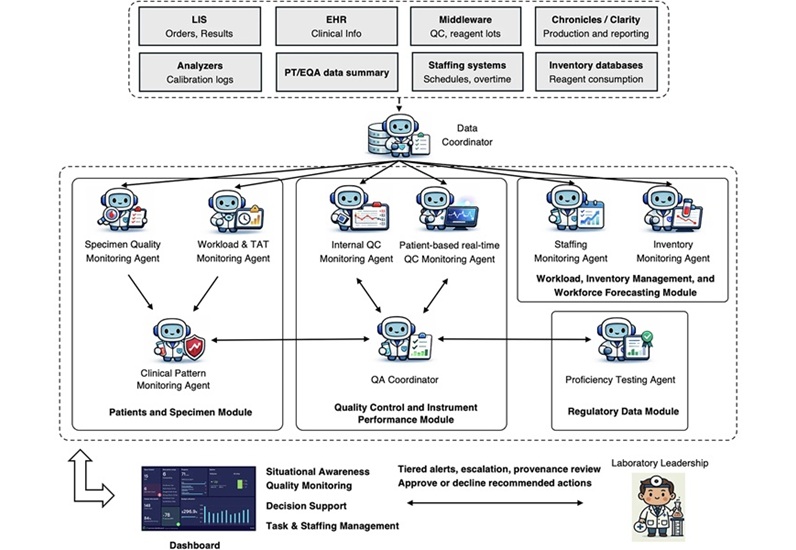
- Multi-Agent AI Framework Supports Laboratory Quality and Workflow Monitoring
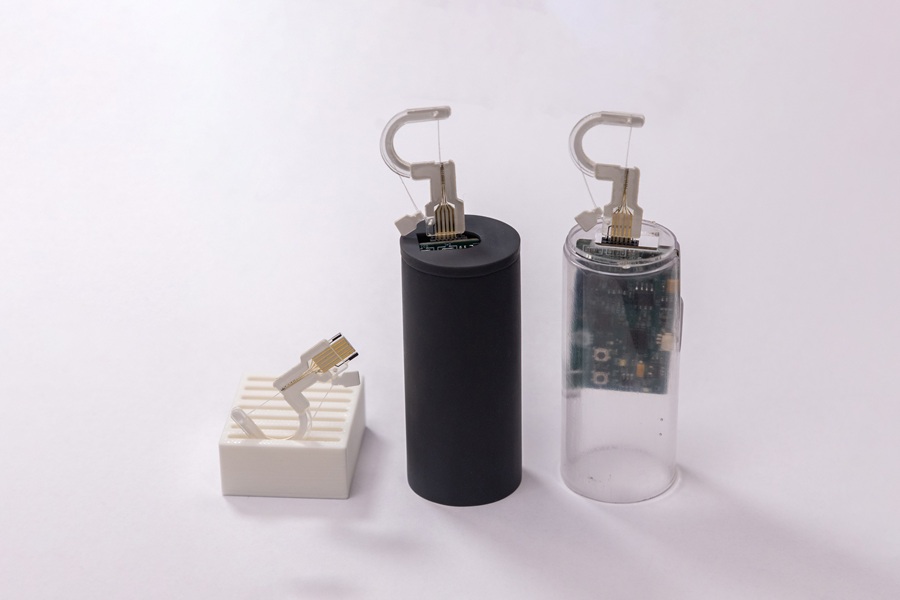
- Personal PCR Analyzer Aims to Enable At-Home Infectious Disease Testing
- Microfluidic Assay Predicts Treatment Response in Pediatric Leukemia
- Partnership Aims to Advance AI Applications and Education in Pathology
- Guardant Health Introduces Ultrasensitive Residual Disease Testing for U.S. Clinical Use
- Labcorp Partners With Grupo Fleury to Expand Clinical Trial Operations in Brazil
- CNB 2026 Unites Laboratory Professionals in Cali Around Diagnostic Innovation
- C2N Makes PrecivityAD2 Alzheimer’s Blood Test Available to Clinicians
- BRCA2 Variant Analysis Offers Insights Into Breast Cancer Risk and Treatment
- Statistical Model Helps Track T Cell Behavior During Cancer Immunotherapy
- Blood NAD Levels May Offer Clues to Cardiovascular Health
- Organ-on-Chip System Offers Insights Into Tumor Interactions and Treatment Response
- Extracellular Vesicle Biomarkers Reveal Shared Signals in Aging and Cancer
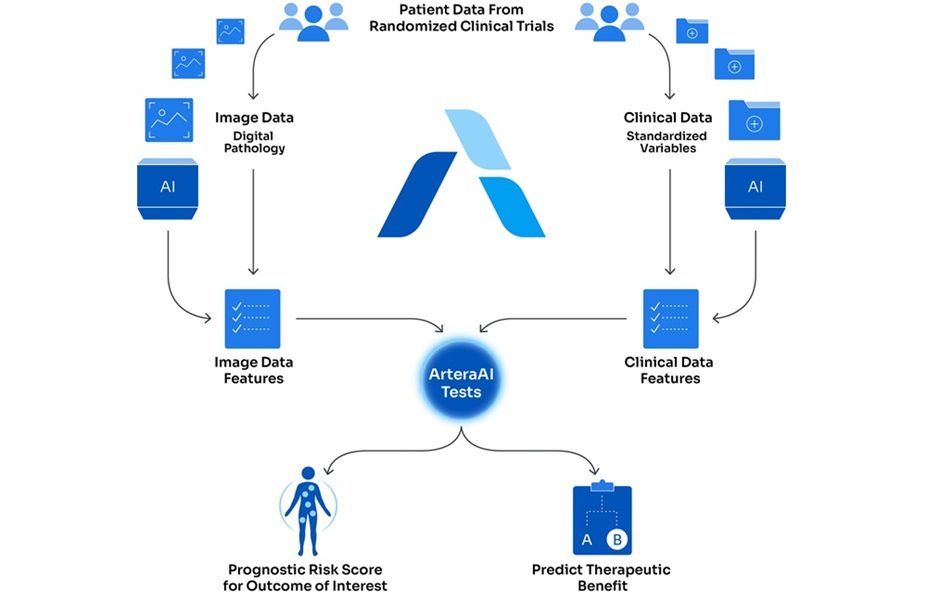
- AI Prostate Cancer Test Added to NCCN Guidelines for Post-Surgery Recurrence
- New Training Approach Helps AI Distinguish Neighboring Cells in Tissue
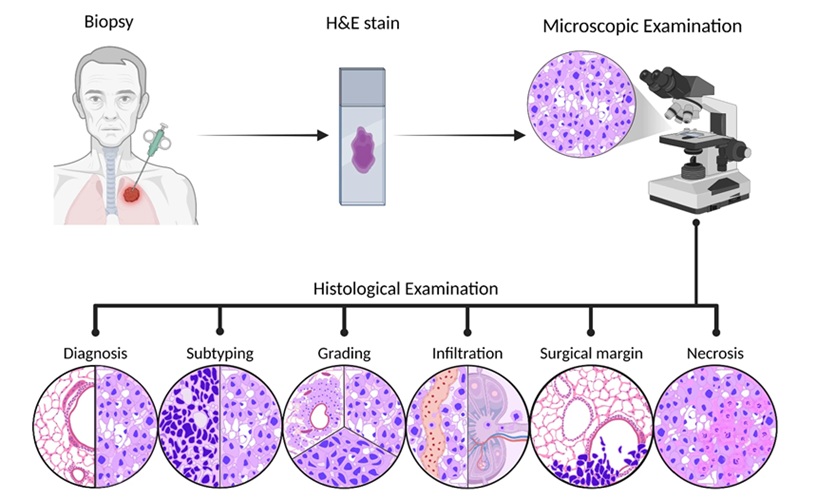
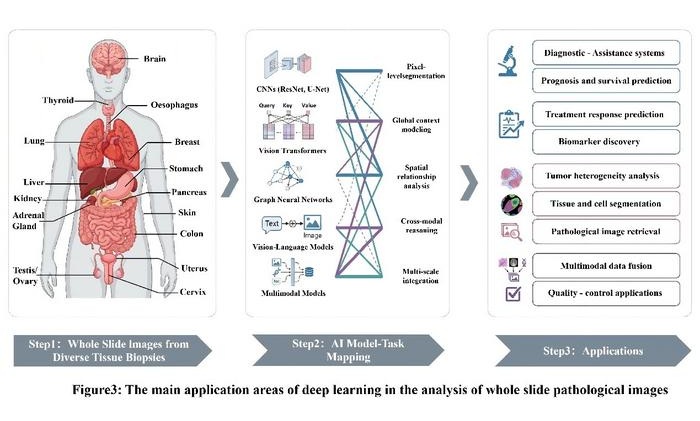
- Review Highlights Progress and Validation Needs for AI in Digital Pathology
- Breakthrough-Designated Cytology Test Supports Oral Cancer Risk Assessment
- AI Pathology Approach Closely Aligns With Breast Cancer Genomic Risk Classification
 Expo
- Research Blood Test Shows Similar Breast Cancer Performance Across Serum and Plasma
- FDA Clearance Extends Mass Spectrometry Testing to Myeloma Monitoring
- Alzheimer’s Blood Test Shows Accuracy Comparable to Cerebrospinal Fluid Testing
- Urine Test Supports Normal Pressure Hydrocephalus Diagnosis
- Serum Protein Levels Linked to Liver Cancer Treatment Outcomes
- Genomic Index Helps Distinguish Metastases From New Primary Tumors
- Blood Testing Monitors Small Cell Lung Cancer Treatment Response
- Whole-Genome Sequencing Reveals Potentially Missed Cancer Treatment Targets
- New Marker Could Refine Cancer Risk Assessment in Barrett’s Esophagus
- Limited Genomic Data Hinder Heart Failure Screening in Brazilian Patients
- Werfen Gains FDA Clearance for ROTEM sigma Cartridge Use in Trauma
- Serial Blood Samples Reveal Leukemia’s Evolution Decades Before Diagnosis
- Study Confirms Blood Products Remain Viable After Three Weeks in the Arctic
- New Reference Ranges Clarify Normal Neutrophil Counts in Duffy-Null Patients
- Newly Certified FISH Probes Support Cytogenetic Testing in Blood Cancers
- Multiplex PCR Test Gains CE Marking to Support Respiratory Infection Diagnosis
- Antibody Testing Informs Melioidosis Diagnosis and Surveillance in Emerging Regions
- Exhaled Breath Particles Reveal Virus-Specific Antibodies in the Lower Airways
- Roche Gains FDA Clearance for Flexible Respiratory Pathogen Panel
- Tumor and Immune Biomarkers Linked to Treatment Response in T-Cell Lymphoma
- First Point-of-Care Active Syphilis Test Detects Four Pathogens in 15 Minutes
- HPV Viral Load Trends May Help Predict Cervical Precancer Risk
- Countries Expand HPV-Based Screening Toward Cervical Cancer Elimination
- WHO Survey Reveals Gaps in Antimicrobial Resistance Testing and Response
- Direct-From-Specimen Pneumonia Test Detects Pathogens and Resistance in Hours
- Experimental Blood Test Detects Markers of Three Cancers and Alzheimer’s Disease
- New qPCR Master Mixes Offer Broad Compatibility for Routine Research
- Multi-Agent AI Framework Supports Laboratory Quality and Workflow Monitoring
- Personal PCR Analyzer Aims to Enable At-Home Infectious Disease Testing
- Microfluidic Assay Predicts Treatment Response in Pediatric Leukemia
- Partnership Aims to Advance AI Applications and Education in Pathology
- Guardant Health Introduces Ultrasensitive Residual Disease Testing for U.S. Clinical Use
- Labcorp Partners With Grupo Fleury to Expand Clinical Trial Operations in Brazil
- CNB 2026 Unites Laboratory Professionals in Cali Around Diagnostic Innovation
- C2N Makes PrecivityAD2 Alzheimer’s Blood Test Available to Clinicians
- BRCA2 Variant Analysis Offers Insights Into Breast Cancer Risk and Treatment
- Statistical Model Helps Track T Cell Behavior During Cancer Immunotherapy
- Blood NAD Levels May Offer Clues to Cardiovascular Health
- Organ-on-Chip System Offers Insights Into Tumor Interactions and Treatment Response
- Extracellular Vesicle Biomarkers Reveal Shared Signals in Aging and Cancer
- AI Prostate Cancer Test Added to NCCN Guidelines for Post-Surgery Recurrence
- New Training Approach Helps AI Distinguish Neighboring Cells in Tissue
- Review Highlights Progress and Validation Needs for AI in Digital Pathology
- Breakthrough-Designated Cytology Test Supports Oral Cancer Risk Assessment
- AI Pathology Approach Closely Aligns With Breast Cancer Genomic Risk Classification






































 Client Login