





Expo
Medica
view channel
view channel
view channel
view channel
view channel
view channel
view channel
view channel
view channel
Clinical Chem.Molecular DiagnosticsHematologyImmunologyMicrobiologyPathologyTechnologyIndustry
Events
Webinars

- AI Predicts Kidney Stone Composition From Routine Urine Tests
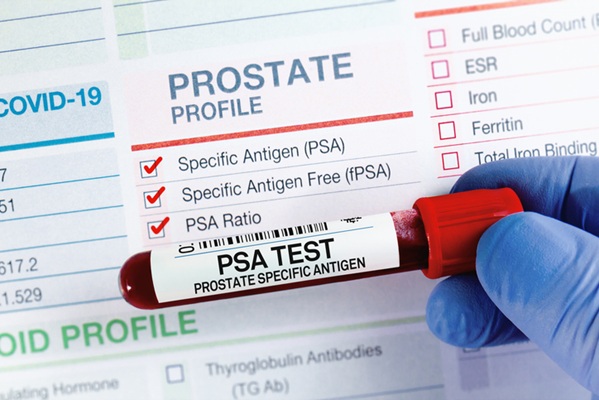
- Updated PSA Testing Guidelines Support Early Prostate Cancer Detection
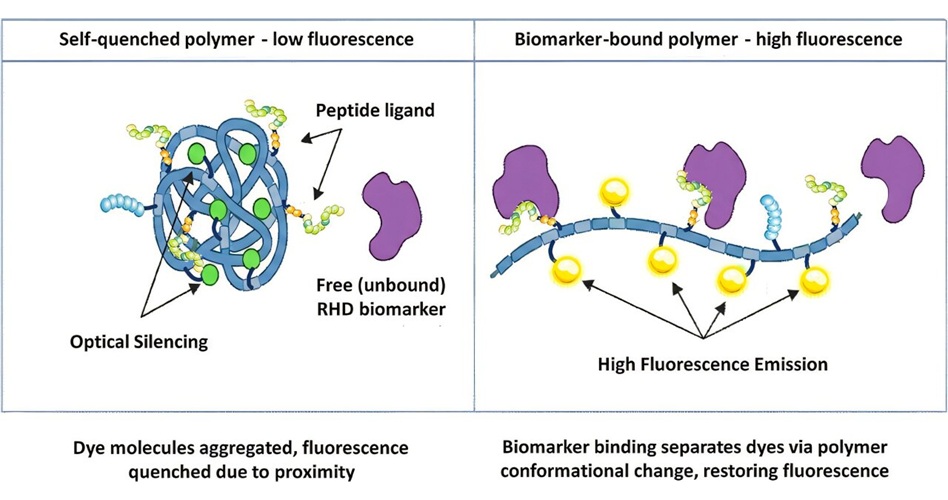
- Antibody-Free Blood Test Detects Rheumatic Heart Disease Biomarker
- Blood and Spinal Fluid Biomarker May Help Track Early Huntington’s Disease
- New Biomarker Offers Longer Detection Window for Suspected GHB Exposure
- Epigenetic Blood Test Detects Early Breast Cancer and Predicts Recurrence Risk
- Target-Amplification-Free CRISPR Platform Demonstrates Molecular Detection in Under 10 Minutes
- Fapon Showcases AI-Engineered Enzymes and RNA Workflows at AMP 2026
- AMP 2026 Underscores Molecular Testing’s Role in Precision Medicine for Women’s Health
- AI in Cancer Diagnosis and Molecular Testing Takes Center Stage at AMP 2026
- Study Confirms Blood Products Remain Viable After Three Weeks in the Arctic
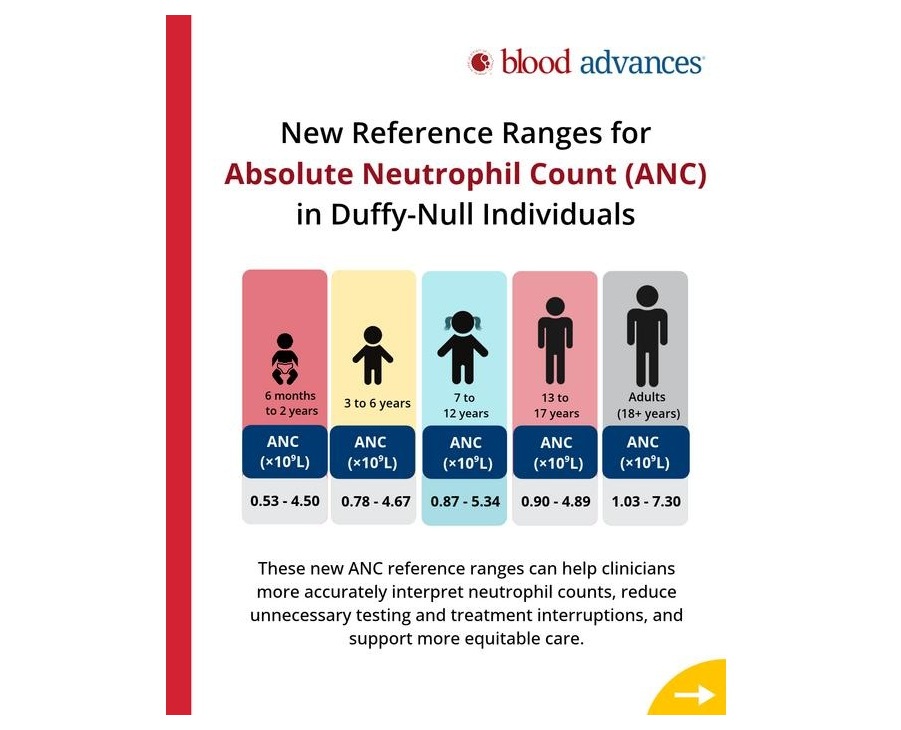
- New Reference Ranges Clarify Normal Neutrophil Counts in Duffy-Null Patients
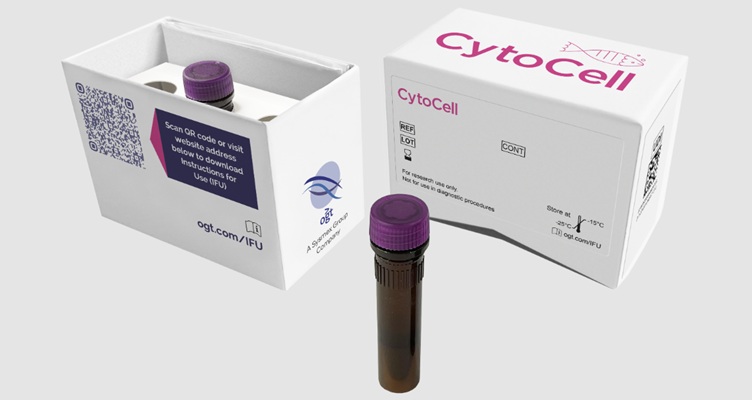
- Newly Certified FISH Probes Support Cytogenetic Testing in Blood Cancers
- Genetic Testing Offers Opportunities for Earlier Blood Disorder Carrier Identification
- New Risk-Stratification Tool Predicts Relapse After Blinatumomab in Childhood ALL
- Antibody Testing Informs Melioidosis Diagnosis and Surveillance in Emerging Regions
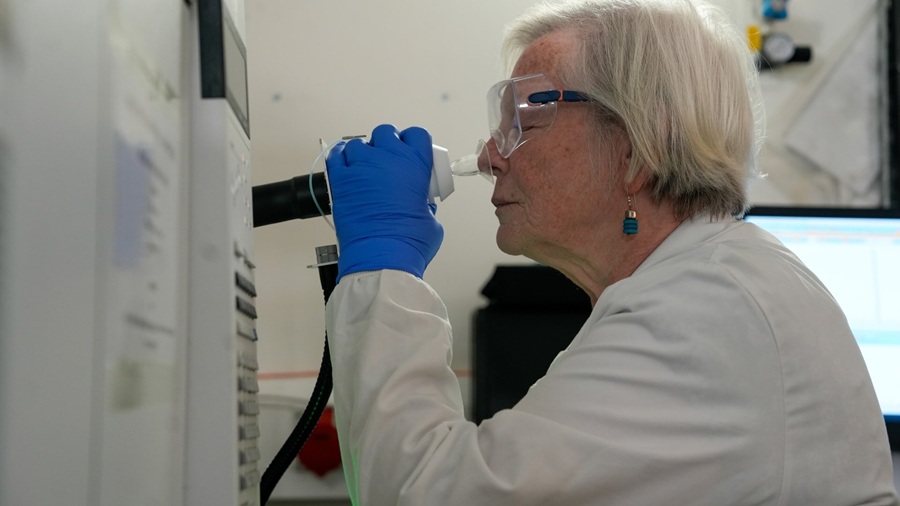
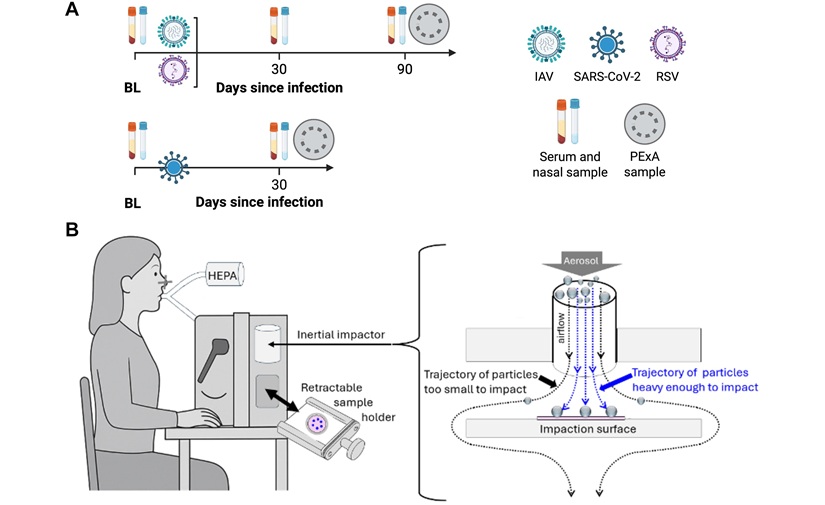
- Exhaled Breath Particles Reveal Virus-Specific Antibodies in the Lower Airways
- Roche Gains FDA Clearance for Flexible Respiratory Pathogen Panel
- Tumor and Immune Biomarkers Linked to Treatment Response in T-Cell Lymphoma
- Prototype Point-of-Care Lateral Flow Test Aims to Improve Neonatal Sepsis Triage
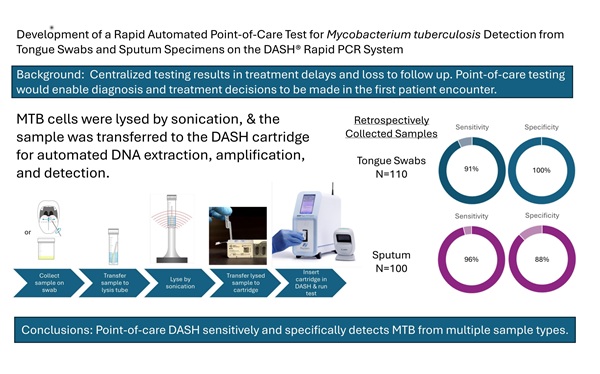
- Point-of-Care Test Detects Tuberculosis from Tongue Swab and Sputum
- Automated Microbial Identification and Susceptibility System Gains FDA Clearance
- Gastrointestinal Flex Assay Gains EU Certification for Tailored Pathogen Testing
- Molecular Panels Gain FDA Clearance for One-Hour Gastrointestinal Pathogen Testing
- Common Genetic Variant Increases Risk of Bacterial Pneumonia
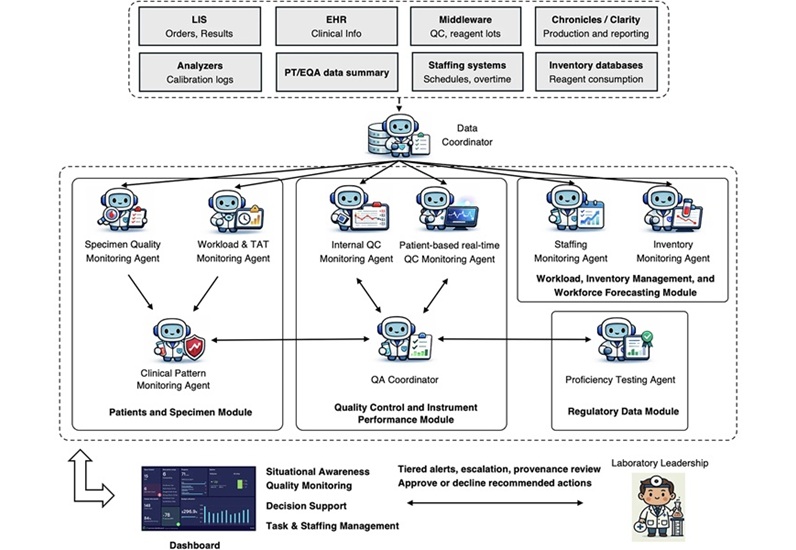
- Multi-Agent AI Framework Supports Laboratory Quality and Workflow Monitoring
- Personal PCR Analyzer Aims to Enable At-Home Infectious Disease Testing
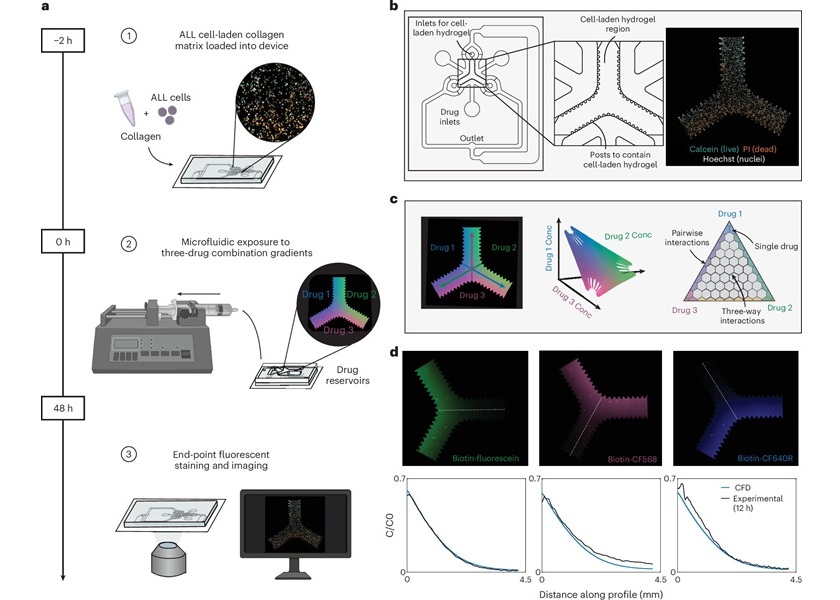
- Microfluidic Assay Predicts Treatment Response in Pediatric Leukemia
- AI Models Use Routine Blood Tests and Health Records to Predict Cancer Risk
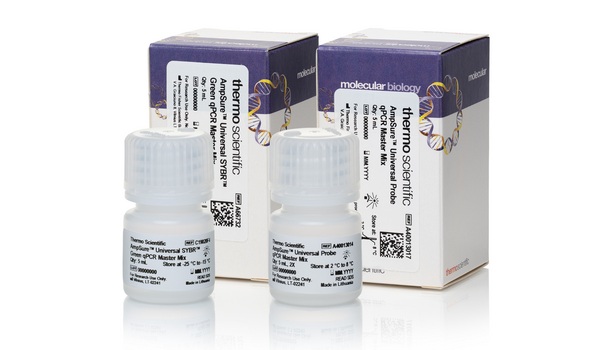
- Compact PCR Thermal Cycler Launches for Routine Molecular Laboratory Workflows
- Partnership Aims to Bring Blood-Based Alzheimer’s Testing to Japan
- Siemens Healthineers Begins Transition Toward Standalone Olyrian Diagnostics Business
- Agilent Completes Acquisition of Digital Pathology Platform Developer Proscia
- New Diagnostics Company Onvaro Formed to Expand Decentralized Testing
- Illumina Selected to Support National Genomics Study for Personalized Healthcare in Singapore
- Extracellular Vesicle Biomarkers Reveal Shared Signals in Aging and Cancer
- Multiplexed Single-Cell DNA Methylation Workflow Enables Analysis of Blood Disorders
- Study Reveals Regulatory DNA Element Involved in Breast Cancer Growth Suppression
- Platelet Biomarkers Identify Progression Signals in Parkinson's Disease
- New ddPCR Assays Broaden Options for Multiplex Cancer Mutation Research
- New Training Approach Helps AI Distinguish Neighboring Cells in Tissue
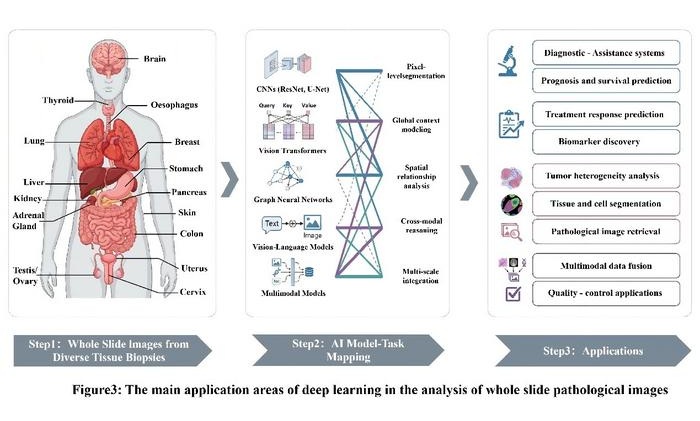
- Review Highlights Progress and Validation Needs for AI in Digital Pathology
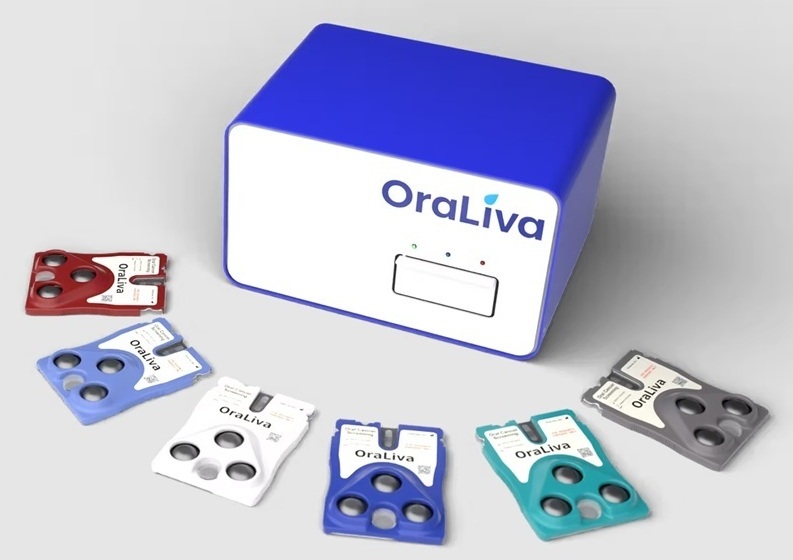
- Breakthrough-Designated Cytology Test Supports Oral Cancer Risk Assessment
- AI Pathology Approach Closely Aligns With Breast Cancer Genomic Risk Classification
- Roche Launches Automated Test to Support Mesothelioma Differential Diagnosis
 Expo
Medica
- AI Predicts Kidney Stone Composition From Routine Urine Tests
- Updated PSA Testing Guidelines Support Early Prostate Cancer Detection
- Antibody-Free Blood Test Detects Rheumatic Heart Disease Biomarker
- Blood and Spinal Fluid Biomarker May Help Track Early Huntington’s Disease
- New Biomarker Offers Longer Detection Window for Suspected GHB Exposure
- Epigenetic Blood Test Detects Early Breast Cancer and Predicts Recurrence Risk
- Target-Amplification-Free CRISPR Platform Demonstrates Molecular Detection in Under 10 Minutes
- Fapon Showcases AI-Engineered Enzymes and RNA Workflows at AMP 2026
- AMP 2026 Underscores Molecular Testing’s Role in Precision Medicine for Women’s Health
- AI in Cancer Diagnosis and Molecular Testing Takes Center Stage at AMP 2026
- Study Confirms Blood Products Remain Viable After Three Weeks in the Arctic
- New Reference Ranges Clarify Normal Neutrophil Counts in Duffy-Null Patients
- Newly Certified FISH Probes Support Cytogenetic Testing in Blood Cancers
- Genetic Testing Offers Opportunities for Earlier Blood Disorder Carrier Identification
- New Risk-Stratification Tool Predicts Relapse After Blinatumomab in Childhood ALL
- Antibody Testing Informs Melioidosis Diagnosis and Surveillance in Emerging Regions
- Exhaled Breath Particles Reveal Virus-Specific Antibodies in the Lower Airways
- Roche Gains FDA Clearance for Flexible Respiratory Pathogen Panel
- Tumor and Immune Biomarkers Linked to Treatment Response in T-Cell Lymphoma
- Prototype Point-of-Care Lateral Flow Test Aims to Improve Neonatal Sepsis Triage
- Point-of-Care Test Detects Tuberculosis from Tongue Swab and Sputum
- Automated Microbial Identification and Susceptibility System Gains FDA Clearance
- Gastrointestinal Flex Assay Gains EU Certification for Tailored Pathogen Testing
- Molecular Panels Gain FDA Clearance for One-Hour Gastrointestinal Pathogen Testing
- Common Genetic Variant Increases Risk of Bacterial Pneumonia
- Multi-Agent AI Framework Supports Laboratory Quality and Workflow Monitoring
- Personal PCR Analyzer Aims to Enable At-Home Infectious Disease Testing
- Microfluidic Assay Predicts Treatment Response in Pediatric Leukemia
- AI Models Use Routine Blood Tests and Health Records to Predict Cancer Risk
- Compact PCR Thermal Cycler Launches for Routine Molecular Laboratory Workflows
- Partnership Aims to Bring Blood-Based Alzheimer’s Testing to Japan
- Siemens Healthineers Begins Transition Toward Standalone Olyrian Diagnostics Business
- Agilent Completes Acquisition of Digital Pathology Platform Developer Proscia
- New Diagnostics Company Onvaro Formed to Expand Decentralized Testing
- Illumina Selected to Support National Genomics Study for Personalized Healthcare in Singapore
- Extracellular Vesicle Biomarkers Reveal Shared Signals in Aging and Cancer
- Multiplexed Single-Cell DNA Methylation Workflow Enables Analysis of Blood Disorders
- Study Reveals Regulatory DNA Element Involved in Breast Cancer Growth Suppression
- Platelet Biomarkers Identify Progression Signals in Parkinson's Disease
- New ddPCR Assays Broaden Options for Multiplex Cancer Mutation Research
- Mast Group Introduces New MAST CARBA PAcE for Rapid Carbapenemase Detection
- DRG Instruments Demonstrates DRG:HYBRID-XL Fully Automated Lab Analyzer
- Diatron Introduces New Aquila 5Dretic 5-Part Differential Hematology Analyzer
- Alifax S.r.l. Highlights First Automated System for Bacterial Culture and Susceptibility Testing
- Erba Mannheim Showcases New Launches at MEDICA 2019
- POC System that Requires Single DNA Molecule for Rapid Detection of Multidrug-Resistant Pathogens Unveiled at MEDICA 2021
- Icomes Lab Demonstrates World's Smallest and Lightest Electronic Pipette for PCR Testing at MEDICA 2021
- Bosch Exhibits Vivalytic All-in-One Analyzer for PCR Rapid Tests at MEDICA 2021
- Co-Diagnostics Introduces Its Revolutionary Coprimer Technology at MEDICA 2021
- MGI Tech Showcases World-First High-Throughput Automated Sample Transfer Processing System at MEDICA 2021
- Biovendor Group Presents CLIA Solution for Complex Diagnostics at MEDICA 2022
- Diatron Exhibits Advanced Hematology and Clinical Chemistry Analyzers at MEDICA 2022
- Immundiagnostik AG Presents New PCR Test MutaPLEX RespiraScreen4_Diff_seqc at MEDICA 2022
- Eurotrol Presents the Future of Blood Gas Controls at MEDICA 2022
- Absology Exhibits POCT Immunoassay Analyzer with Testing Time of Five Minutes
- Absology Showcases Latest Advancements in Medical Diagnostics
- Oruba Presents State-of-the-Art Self-Operating Uroflowmeters
- Awareness Technology Exhibits Incredibly Flexible ChemWell 2 ELISA and Chemiluminescent Analyzer
- BioVendor Group Demonstrates Unique IVD Platform and Immunoblot Test
- Greiner Bio-One Highlights Magnetic 3D Cell Culture Technology
- BioVendor Group Introduces Groundbreaking Immunological Biomarker
- Getein Biotech Showcases Latest POCT Analyzers
- Fapon Highlights Innovative IVD Total Solutions and Localization Services
- Wondfo Presents Advanced Solutions in CLIA Testing and Blood Gas Analysis
- Globe Scientific Exhibits Cutting-Edge Solutions for Meeting Laboratory Needs
- Ozelle Unveils Next-Generation AI-Driven Complete Blood Morphology Solution
- Vircell Highlights Diagnostic Innovations in Infectious Diseases at MEDICA 2025
- DiaSys Presents Comprehensive Clinical Chemistry and Immunoturbidimetry Solutions
- Sekisui Diagnostics Displays Full Range of Clinical Chemistry, Point-of-Care, and Biochemical Solutions
- AllTest Biotech Showcases Comprehensive Rapid and Immunoassay Diagnostics at MEDICA 2025
- Vircell Presents Automated Immunoassays and Molecular Diagnostics at MEDICA 2026
- Sekisui Highlights Rapid Testing and Clinical Chemistry Solutions at MEDICA 2026
- Tianlong Presents Products Spanning Molecular Diagnostics and Laboratory Automation
- Ozelle Presents AI-Assisted Hematology and Cell Morphology Analysis
- BioGiox and Labnovation Showcase Molecular Diagnostics and HbA1c Testing at MEDICA 2026
- New Training Approach Helps AI Distinguish Neighboring Cells in Tissue
- Review Highlights Progress and Validation Needs for AI in Digital Pathology
- Breakthrough-Designated Cytology Test Supports Oral Cancer Risk Assessment
- AI Pathology Approach Closely Aligns With Breast Cancer Genomic Risk Classification
- Roche Launches Automated Test to Support Mesothelioma Differential Diagnosis




























 Client Login